
What is chlorophyll?
The term chlorophyll is derived from the Greek words 'chloros' (green) and 'phyllon' (leaf). As its name suggests, it is abundant in fresh green leafy vegetables and fruits. Chlorophyll gives plants their green color. Another function is to enable photosynthesis, through which plants produce oxygen and nutrients. Humans do not have the capacity to synthesize chlorophyll pigment, but we can obtain it in certain amounts through our diet.
What is purified chlorophyll?
Purified chlorophyll is used as a food additive in the food industry to give food and beverages a green color. Examples include cheeses, soft drinks, confectionery, ice cream, and chocolate. It should not be assumed that pure chlorophyll can be used freely simply because it is a natural substance; like all additives, its use is restricted in Turkey by the Turkish Food Codex Food Additives Regulation. The E code found in the E numbering system on the ingredients list of packaged products is 140.
What is liquid chlorophyll?
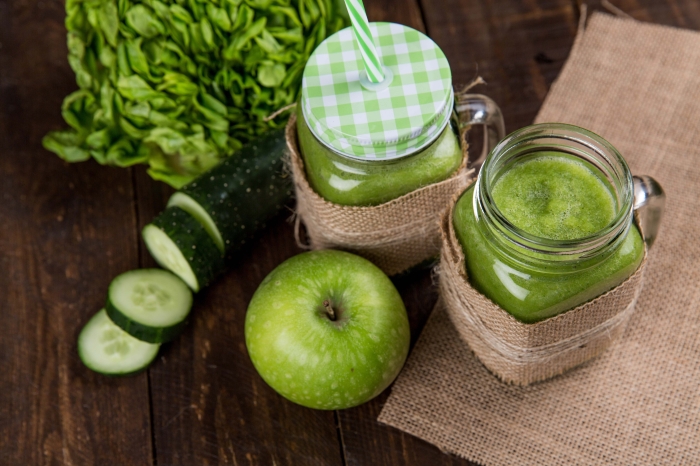
Liquid chlorophyll (artificial form) is the copper complex form of naturally occurring chlorophyll. This form of chlorophyll is also used to give a green color, and its use is restricted by the Turkish Food Codex Food Additives Regulation. Its E code is 141.
What are the health effects of chlorophyll?
There are very few studies examining the health effects of chlorophyll. Of these, only a small percentage are clinical trials (studies involving volunteers). Current studies indicate that chlorophyll exhibits antioxidant, anticancer, and antimutagenic effects. However, long-term, controlled clinical trials with a sufficient number of volunteers are needed to definitively state that it is safe and effective.
Should liquid chlorophyll be taken as a supplement?
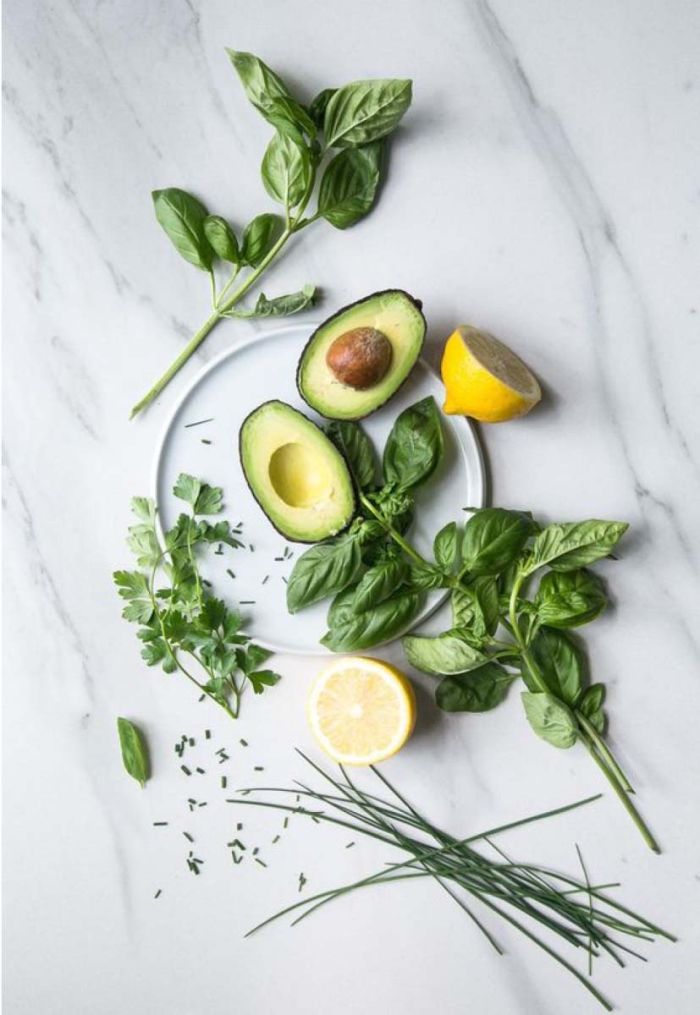
You should consult your doctor before using any supplements, including vitamins and minerals. While the use of vitamins and minerals as supplements is often considered safe and not given much importance, the issue of supplementation is not that simple; on the contrary, it is a complex one. Furthermore, our current knowledge about the absorption and transformation of chlorophyll in the body is insufficient, and its safety as a supplement is not certain. Instead of chlorophyll supplementation, I recommend consuming green vegetables and fruits in your daily diet. This way, you will safely obtain chlorophyll, along with dietary fiber, antioxidants, vitamin C, vitamin K, folic acid, and many other nutrients.
What foods contain chlorophyll?
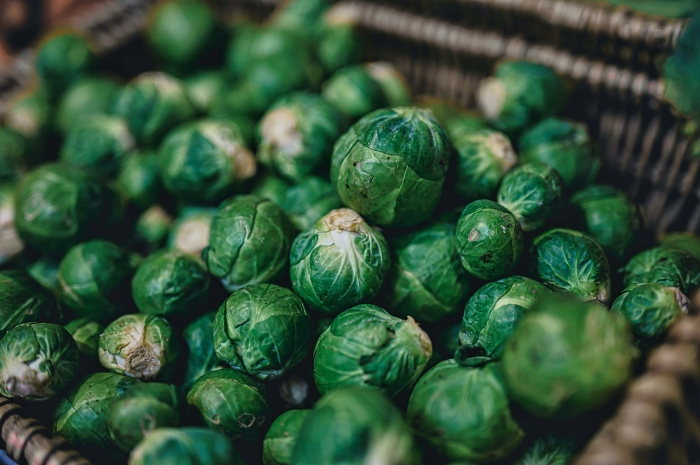
As mentioned at the beginning of our article, it is abundant in fresh green leafy vegetables and fruits. Examples of these foods include cabbage, Brussels sprouts, spinach, broccoli, arugula, parsley, green peppers, asparagus, lettuce, curly lettuce, purslane, chard, green beans, peas, leeks, and zucchini.
Do food storage and cooking conditions affect chlorophyll content?
Yes, the chlorophyll content of foods is affected by heat, acidic environments, and light. Blanching vegetables by placing them in cold water before freezing helps preserve as much chlorophyll content as possible. Various studies report that the greatest chlorophyll loss occurs through boiling, while the least loss occurs through steaming. To summarize point by point:
1. The presence of acidic foods such as lemon or vinegar in the cooking pot during cooking increases chlorophyll loss.
2. Cooking at high temperatures and high pressure (in a pressure cooker) reduces the amount of chlorophyll in vegetables.
3. Steaming vegetables minimizes chlorophyll loss. Additionally, blanching vegetables before freezing helps preserve their chlorophyll content.
4. Green vegetables contain less chlorophyll after being exposed to heat compared to their raw state. Therefore, seasonal salads, where we can consume vegetables raw, play an important role in our diet as a source of chlorophyll.