
Vitamin C
Vitamin C is a powerful antioxidant that supports our immune system and is a water-soluble vitamin. It is one of the most important vitamins to obtain daily through our diet. Due to its antioxidant properties, vitamin C reacts with free radicals, protecting cell membranes from damage. It helps maintain the health of bones, gums, and blood vessels, and also increases iron absorption. Since vitamin C deteriorates very quickly when exposed to air, fresh vegetables and fruits must be prepared just before consumption. The foods richest in vitamin C include parsley, peppers, arugula, Brussels sprouts, broccoli, dill, kale, watercress, strawberries, cranberries, kiwi, oranges, lemons, tangerines, grapefruits, and tomatoes.
Vitamin A
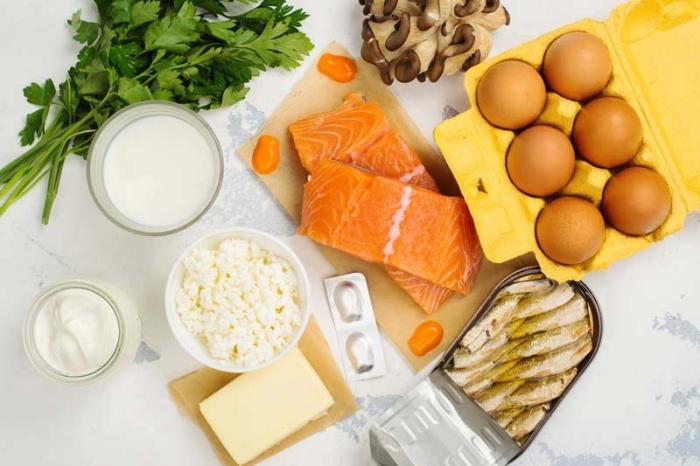
Vitamin A is a fat-soluble vitamin that supports our immune system, protects our body against infections, and fights free radicals. It is abundant in both animal and plant-based foods. A deficiency weakens the immune system. We should frequently include foods containing vitamin A in our diet. Vitamin A is found in all animal products such as meat, eggs, milk, cheese, and fish, while in plant-based foods it is found in pumpkin, tomatoes, apricots, peaches, carrots, green leafy vegetables, red peppers, melons, and watermelons.
Vitamin E
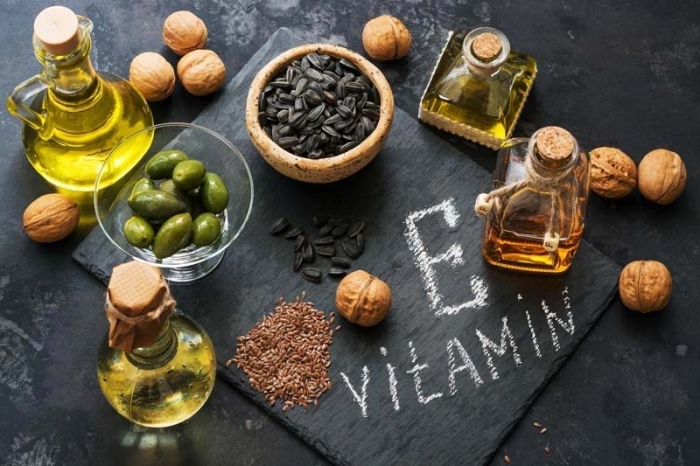
Vitamin E is a fat-soluble vitamin that acts as a very powerful antioxidant and protects cell membranes. It is essential for bodily functions such as growth, reproduction, disease prevention, and maintaining tissue integrity. Because it is found in many foods in nature, deficiency is rarely seen. It is most abundant in oily seeds such as walnuts, hazelnuts, almonds, sunflower seeds, pumpkin seeds, poppy seeds, and sesame seeds; in grains and legumes; in vegetable oils such as olive oil and sunflower oil; and in eggs, cream, and cheese.

Selenium
Selenium is an essential element for the reproduction and growth of living organisms. It is a vital part of the immune system, helping the body develop resistance to infections and inflammation and facilitating the healing process of existing diseases. Acting as an antioxidant in the body's metabolism, it helps prevent premature aging. Recent studies suggest that selenium deficiency may be associated with aging, cancer, insulin resistance, diabetes, a number of diseases, and immune system disorders. Foods rich in selenium include Brazil nuts, eggs, sesame seeds, fish, green lentils, and legumes.
Zinc
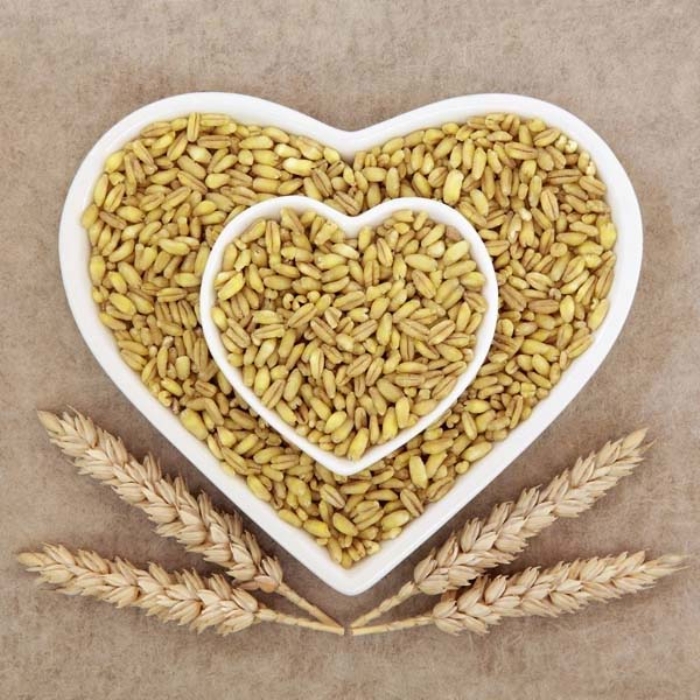
Zinc is a very important mineral for our immune system. Like vitamin C, it has direct antiviral activity. It is also effective against viruses that cause the common cold. It is necessary for the function of more than 300 enzymes in the body. Zinc also affects the immune system in many ways. Zinc deficiency leads to susceptibility to infections. It is an essential element for wound healing and contributes to resistance against infections. It also plays a role in the formation of many hormones such as thymus hormones, insulin, and growth hormone. Foods richest in zinc include pumpkin seeds, black sesame seeds, sunflower seeds, tahini, meat, eggs, mushrooms, seafood, wheat germ, organ meats, and nuts.
Magnesium
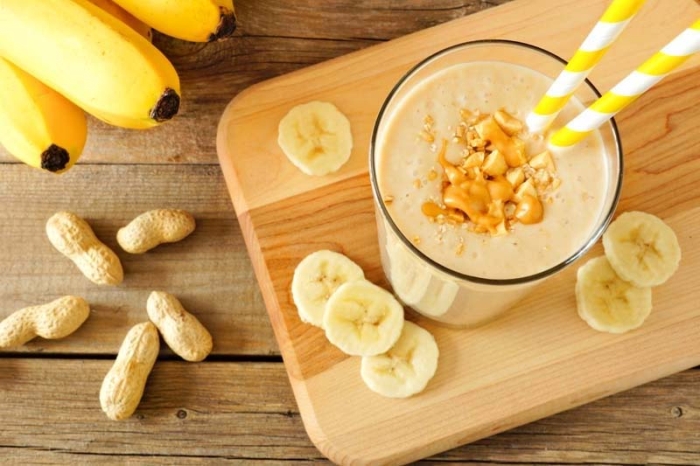
Magnesium is a vital element in the human body. It is crucial for the immune system, bone health, and brain health. Foods richest in magnesium include pumpkin seeds, poppy seeds, black sesame seeds, tahini, flax seeds, nuts such as hazelnuts, walnuts, and almonds, legumes like green lentils and dried beans, tomatoes, avocados, bananas, spinach, dill, mint, and grains such as wheat, oats, and rye.
Iron
Iron is a mineral that is very important for our bodies, and its deficiency is common in our country. Iron deficiency negatively affects the functioning of immune system cells. For this reason, people with iron deficiency are more susceptible to diseases. Consuming iron-rich foods together with foods containing vitamin C increases iron absorption. The foods richest in iron include organ meats, red meat, seafood, eggs, sesame seeds, legumes, and dark green leafy vegetables.