
Weight problems and poor dietary choices, as is known, cause widening and cellulite in the legs, as well as throughout the body. Therefore, many people attribute the thick, cellulite-like appearance of their legs to their diet. However, the condition known as lipedema , which we've been hearing about frequently lately, has reminded everyone of another possibility.

It turns out that the cause of painful cellulite on the legs may not be weight or poor diet, but rather lymphatic dysfunction. If you suspect you may have lipedema, learn what lipedema is and its symptoms in this article !
What is lipedema?
Lipodema is a genetic disorder characterized by abnormal fat and fluid accumulation in the hips and thighs. Also known as painful cellulite or painful fat syndrome, lipedema can start in the hip area and extend down to the ankles. However, in this condition, the feet are often unaffected by the swelling and fat accumulation in the lower body. The degree of lipedema varies from person to person. In some, it is so mild that it is almost undetectable, while in others it can reach a level that restricts movement.
What causes lipedema?
The question of what causes lipedema has many answers, including genetics, lymphatic system, hormonal reasons, and inflammatory factors. First of all, if lipedema exists in your family, the likelihood of you developing it is much higher than normal. On the other hand, lipedema, which can occur due to hormonal changes during puberty, pregnancy , and menopause, occurs most often in women for precisely this reason.
Chronic inflammation and lymphatic system problems are among the causes of lipedema. These problems can lead to abnormal fat and fluid accumulation in the body, causing lipedema. In short, the cause of lipedema varies from person to person. To fully understand the causes of lipedema, you should definitely consult a specialist doctor.
What are the symptoms of lipedema?
If you're wondering how lipedema is diagnosed, you can consider the following symptoms. However, remember that only your doctor can make the most accurate diagnosis.
- Enlarged and swollen-looking deformities in the hips, legs, thighs, or arms.
- When pressure is applied to the edematous area with a finger, there is little or no indentation left.
- Pain and tenderness upon light touch or pressure, and easy bruising of the skin.
- Bloating that doesn't decrease despite weight loss or calorie restriction.
- Increased complaints during the summer months.
How does lipedema go away? How is lipedema treated?
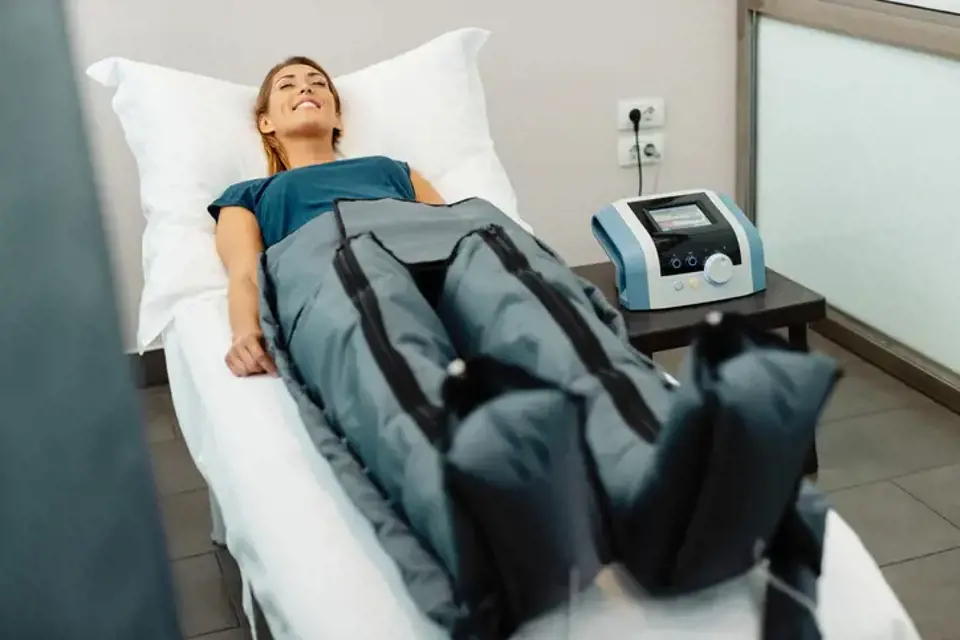
If you're wondering how to get rid of lipedema, let us tell you right away: both surgical and non-surgical treatments are possible. First, if your doctor deems it appropriate, you can undergo manual lymphatic drainage . This lipedema treatment method uses pressure applied at regular intervals from the fingertips to drain lymphatic fluid from the body.
For more advanced stages of lipedema, liposuction and other surgical methods are used to reduce swelling. After surgery, lipedema stockings are worn as soon as possible to apply pressure to the legs. This helps reduce discomfort and swelling.
How should people with lipedema eat?

As experts share, one answer to the question of what helps with lipedema is making the right dietary choices. However, since lipedema isn't directly related to diet, changes in food preferences may not always be effective. Therefore, in "some individuals," it may be possible to alleviate the effects of lipedema to a certain degree with a lipedema diet planned by a nutritionist.
Especially with foods that can reduce pain and inflammation in the body, a beneficial step can be taken for lipedema. However, the most definitive answer to the question of how lipedema heals comes from the treatments deemed appropriate by a doctor. Drinking water is essential for lipedema patients under all circumstances.
If you're wondering how to get rid of lipedema, you should first consult a doctor and learn the most appropriate treatment plan for you. It's possible to get rid of this condition by applying the right treatment methods!