
Turmeric is a plant native to Asia. This spice, frequently used in cooking, is also included in supplements due to its medicinal properties. You can also find turmeric in both natural and traditional skincare products, including homemade masks . Turmeric masks, in particular, are becoming increasingly popular because they are free of potentially harmful chemicals and can help address certain skin issues.
To learn more about turmeric masks and how to make one, keep reading.
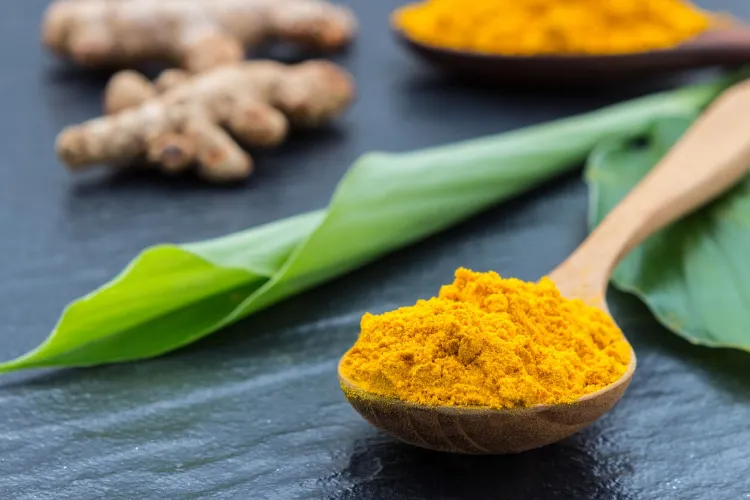
What are the benefits of a turmeric mask?
Turmeric masks are attracting attention due to their skin-beautifying and problem-solving properties. This healthy spice possesses powerful anti-inflammatory properties that can help fight acne, blackheads, and wrinkles. Turmeric masks are also used for skin whitening purposes. Suitable for all skin types, turmeric is also known to have rich antioxidant and antibacterial properties.
What are the benefits of a turmeric mask?
Turmeric has the potential to reduce swelling (inflammation) and irritation. Inflammation and irritation can worsen other skin conditions, so a turmeric mask can help prevent all these potential problems. The benefits of a turmeric mask can be explained as follows:
Reduced inflammation
The active compounds in turmeric that have an anti-inflammatory effect can support skin health. Research suggests that it may help reduce inflammation associated with skin diseases (*) .
Antibacterial potential
Turmeric can also prevent bacteria that can cause acne cysts and infections on the skin ( 1 , 2 ) . Of course, you should consult a doctor before using it to treat any skin problem.
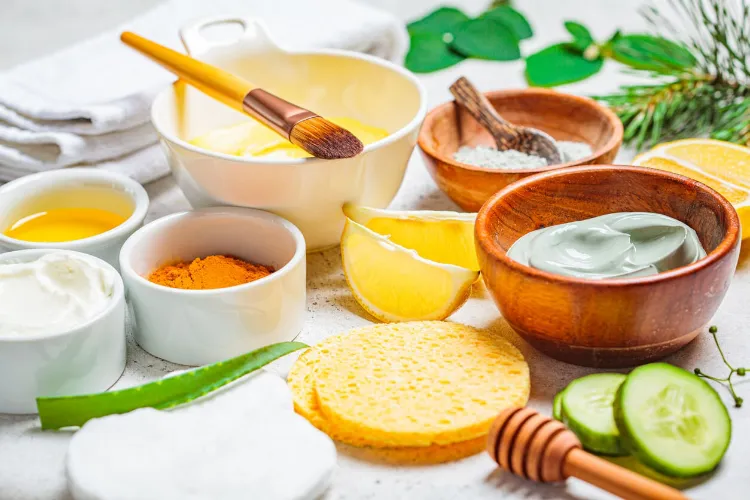
Acne treatment
With its anti-inflammatory potential, a turmeric mask can help treat acne. It may also improve the appearance of acne scars.
Antioxidant power
Turmeric is rich in antioxidants. When it comes to skincare, antioxidants can help prevent free radicals from destroying healthy cells (*) . This can prevent the onset of hyperpigmentation, scarring, and other skin problems.
Reduced hyperpigmentation
If you have skin spots that are darker than your normal skin tone, this is hyperpigmentation. Turmeric mask is attracting attention for its benefits in treating brown spots on the skin . Research also supports the idea that turmeric can reduce this problem (*) .
Turmeric mask recipe
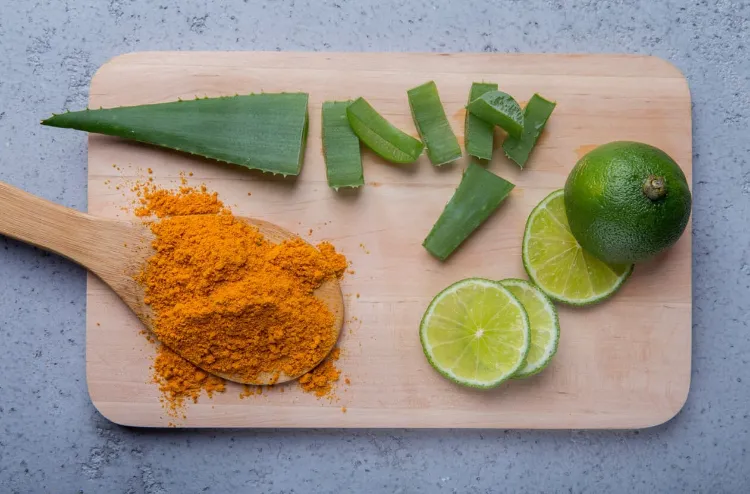
Now that we have enough information about turmeric masks, let's see how to make one. Here are the materials you will need to make a turmeric mask:
- A quarter teaspoon of turmeric powder
- 2 tablespoons of flour or cornstarch
- 1 teaspoon of honey
Preparation:
- Mix the flour and turmeric, then add the honey.
- If you have oily skin, add lemon juice to the mixture and blend until it has a creamy consistency. You can also add yogurt if desired.
- Gently apply the mask to your face and neck.
- Let it dry for 15-20 minutes and then rinse with lukewarm water. Many people wonder how to remove a turmeric mask. As with most masks, the most effective way to remove a turmeric mask is to use lukewarm water. You can also try washing your face with milk.
Can a turmeric mask be used every day?
You can use a turmeric mask 2-3 times a week. Keep in mind that it's not recommended to use it daily. You can also benefit from these tips regarding turmeric masks:
- For acne and antibacterial concerns, mix turmeric, warm water, and honey.
- For hyperpigmentation and wrinkles, mix turmeric, yogurt, and lemon juice.
- For skin irritations, mix turmeric with aloe vera gel.
- For antioxidant power, simply mix turmeric with water. You can add a small amount of almond or rice flour to give the mixture a paste-like consistency.