
Energy drinks are growing in popularity as an alternative pick-me-up to coffee, but are they safe for your heart?
Not when consumed frequently or in large quantities, says cardiac electrophysiologist Mehmet Aktas, MD, of University of Rochester Medicine. Here's what you need to know to make the best choice for your health.
What's Actually in Energy Drinks?
Energy drinks promise a quick boost, but understanding what's inside can help you make informed decisions about your health.
Common ingredients include:
Coffee vs. Energy Drinks: Which Is Healthier?
Coffee, usually. It all depends on the amount of caffeine consumed, which varies by brand.
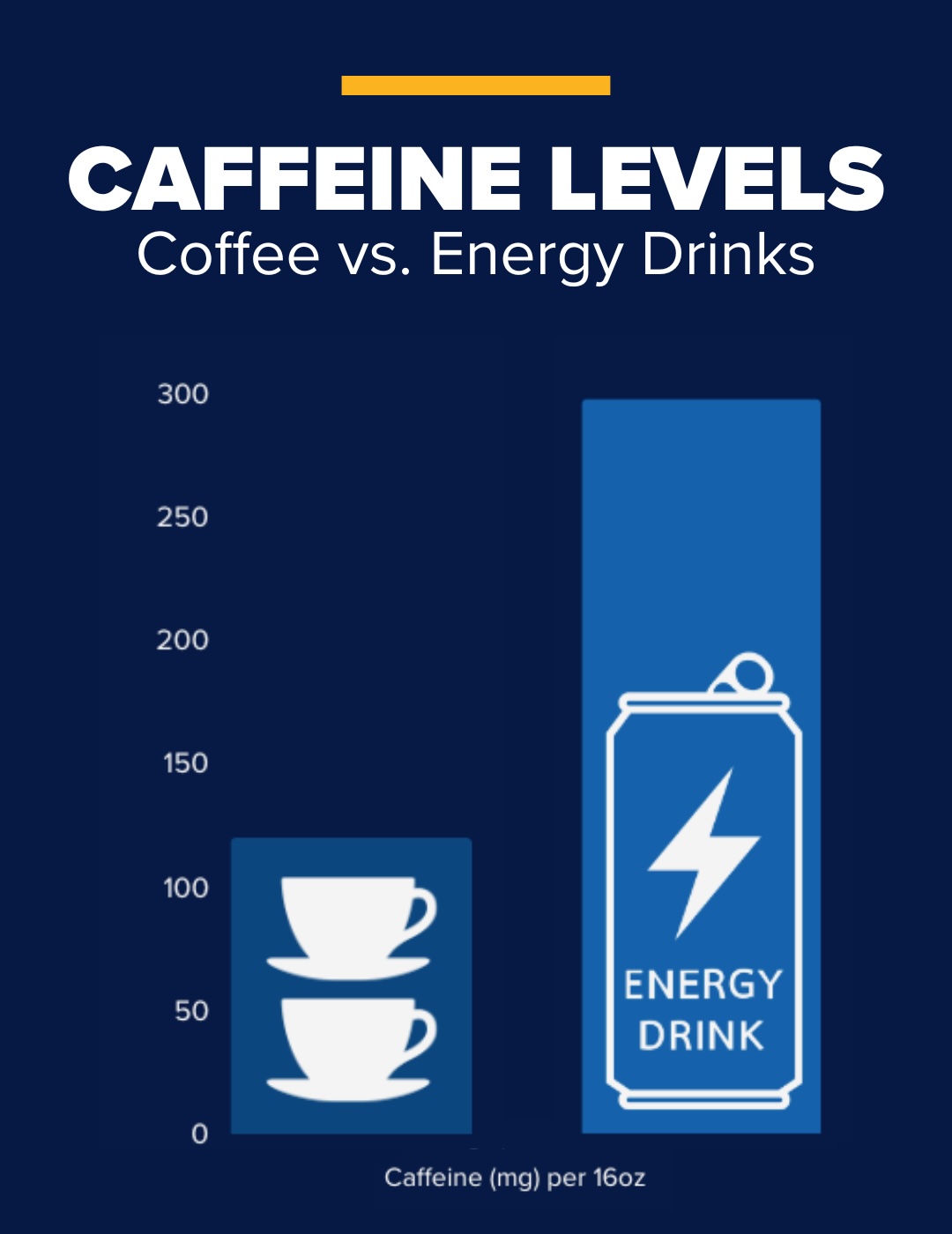
An average eight-ounce cup of coffee typically has about 80 mg of caffeine, while an energy drink of the same size can contain between 100-150 mg of caffeine. Many energy drinks come in larger 12-16 oz cans, resulting in a significantly higher caffeine intake.
“If you’re looking for a little jolt to wake up, a cup of coffee provides caffeine without all the additives found in energy drinks,” says Aktas.
Another great option for a natural energy boost is a smoothie with fruits and vegetables. The added proteins provide sustained energy throughout the day, and they won’t affect your sleep the way caffeine will.
Who Should Avoid Energy Drinks?
Our experts strongly recommend avoiding energy drinks if you:
Even if you don't fall into these categories, moderation matters.
Better Ways to Boost Your Energy
Instead of relying on energy drinks, our experts recommend these evidence-based strategies:
Prioritize quality sleep
Stay hydrated
Eat balanced meals
Move your body
Manage stress
Limit caffeine strategically
How Do Energy Drinks Affect Your Health?
Heart Health Concerns
Energy drinks can significantly impact your cardiovascular system. The high caffeine content combined with other stimulants may cause:
“Cardiac arrests in younger people are rare,” notes Aktas. “But recent studies indicate energy drinks may increase this risk, especially for those with a genetic predisposition to heart conditions.”
A recent study of cardiac arrest survivors with genetic heart conditions showed that 5% had experienced a cardiac arrest after having an energy drink.
Aktas anticipates research will continue to grow in the coming years, giving providers a better understanding of the relationship between energy drinks and cardiac arrests.
Mental Health Effects
Beyond physical health, energy drinks can affect your mental well-being:
Sleep Disruption
The stimulants in energy drinks can interfere with your body's natural sleep-wake cycle, leading to:
If you choose to consume energy drinks occasionally:
How We Can Help
As the leading academic health system in Upstate New York, we're here to provide world-class care, close to home.