
Backyard play is often considered one of the safest ways for children to enjoy the outdoors, but everyday play can quickly turn dangerous when hazards go unnoticed. Many of the most common backyard injuries are the ones that families don’t see coming.
Lawnmower Catastrophes
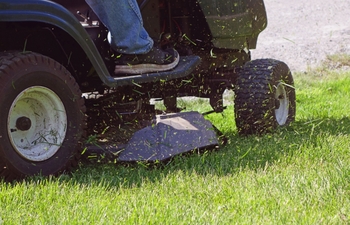
“Some of the most severe injuries we see in the pediatric emergency department involve lawn equipment,” says Dr. Anne Brayer, MD, a pediatric emergency medicine physician at University of Rochester Medicine and director of the Injury Free Coalition for Kids of Rochester.
“These incidents usually involve children riding along on the mower and falling off, or accidents that occur when adults aren’t fully aware that their children are nearby when mowing.”
Grill and Fire Pit Burns
Grills and fire pits are common features of family gatherings, but they are also a leading source of preventable backyard burns in children.
“Most parents are paying close attention while the grill or fire pit is on,” said Dr. Brayer. “But we often see injuries happen afterward, when the area is still hot long after the cooking or gathering has ended.”
To reduce burn risks, families should establish a clearly marked “no-play zone” around all cooking and fire areas. These spaces should remain off-limits until heat sources have fully cooled.
Falls from Play Structures
Falls from swings, monkey bars, and backyard play structures may result in fractures, sprains, or head injuries—especially when equipment is not age-appropriate or surfaces are not properly maintained.
“The play structure itself and what’s underneath it both matter a great deal,” explained Brayer.
Municipal playgrounds are typically built with specific developmental stages in mind, including rung spacing, height, and climbing difficulty. At home, families should take similar care when selecting or using backyard play sets.
When it comes to what’s under the playground, grass alone does not provide enough cushioning for falls. Instead, impact-absorbing materials like rubber mats or well-maintained mulch can significantly reduce injury risk. If mulch is used, it should be refreshed regularly to maintain its protective effect.
Bee Stings
Bee and wasp stings happen often in the warm weather months. To help prevent stings, children should wear shoes outdoors, avoid swatting at insects, and use caution around uncovered drinks or food during outdoor gatherings.
Mild reactions usually include redness, swelling, and discomfort around the sting site. Parents can help by removing the stinger if present, washing the area, and applying a cold compress to reduce swelling. However, some symptoms may signal a severe allergic reaction:
Barefoot Injuries
One of the most overlooked backyard safety concerns during summer is what children step on while playing barefoot. Rusty nails, sharp sticks, or other debris can cause puncture wounds that push bacteria deep into the skin and increase the risk of infection.
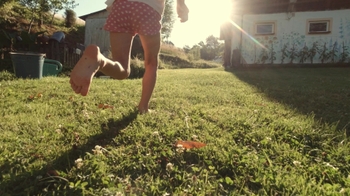
Parents should clean injuries thoroughly and watch for redness, swelling, drainage, warmth, or worsening pain.
Children may need a tetanus booster after a cut or puncture wound if vaccinations are not up to date.