
One of the most common problems of the modern age is stress. Uncontrolled exposure to stress triggers many illnesses, from depression to skin problems. Anxiety and stress-related situations can also lead to many bad habits, from nail biting and lip biting to hair pulling. Stress, which can be caused physically by heat, cold, and toxic agents, can also occur due to emotional reasons. You can resolve stress-related situations by treating existing mental health problems. In addition, factors such as regular sleep and changes in diet can help prevent the development of stress-related skin diseases. So, what are stress-related skin diseases , and how are stress-related skin rashes treated? In this article, we take a closer look at the effects of stress on the skin.

What are the effects of stress on the skin?
Stress can lead to many skin problems, especially dermatological diseases. Today, demanding work and city life are among the most significant causes of stress. The effects of stress on the skin are as follows:
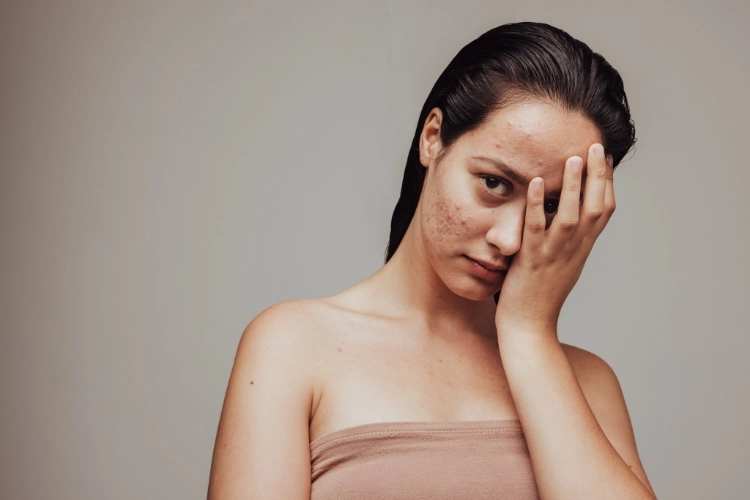
Skin ages faster.
Stress makes the skin look older. Stress is directly reflected in facial expressions, making a person look sad, unhappy, and older. Excessive stress increases cortisol levels and slows blood flow, negatively impacting the nourishment of skin cells. Simultaneously, hyaluronic acid and collagen levels decrease, leading to dry skin and the appearance of fine wrinkles. The skin begins to look dull and lifeless. The increase in free radicals on the skin initiates the aging process.
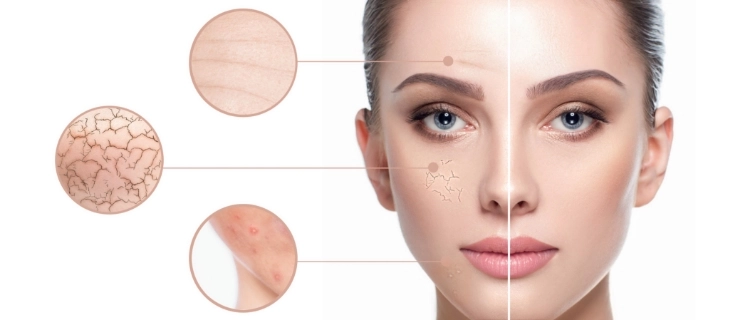
Skin dries out.
In people under stress, cortisol and adrenaline hormones increase in the skin. This hormonal fluctuation results in dehydration. Hormonal changes reduce hyaluronic acid levels in the skin, making it drier. Along with dryness, the skin barrier begins to weaken. As a result, problems such as eczema and flaking increase, and stress-related skin allergies may develop. If you are experiencing skin rashes, you can find detailed information by checking out our article titled " Everything About Skin Rashes" .
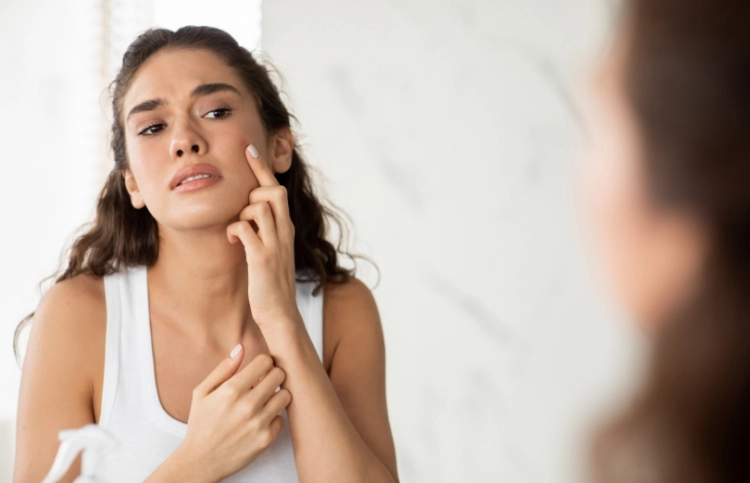
Skin oiliness increases.
Stressful situations cause cortisol levels to rise in the body. Along with increased cortisol, the body's fat synthesis also increases. As a result, the skin becomes oilier more quickly, pores clog, and the skin becomes more prone to acne. This is especially common in people with oily skin. Even after acne clears up, it can leave scars.
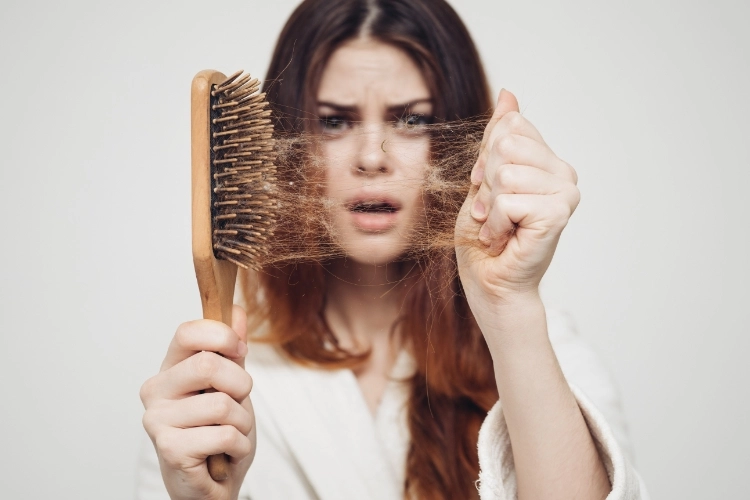
Hair loss increases.
High levels of stress also have negative effects on hair. While oiliness increases at the scalp following stress, some individuals experience dryness at the scalp. This leads to thinning and hair loss. Depending on stress levels, some people may also develop alopecia areata (hair loss). In addition to hair loss, cold sores can appear on the lips due to stress. These contagious cold sores can occur due to stress or hormonal changes. If you're wondering " Why do cold sores appear on the lips ?", you can check out our article.
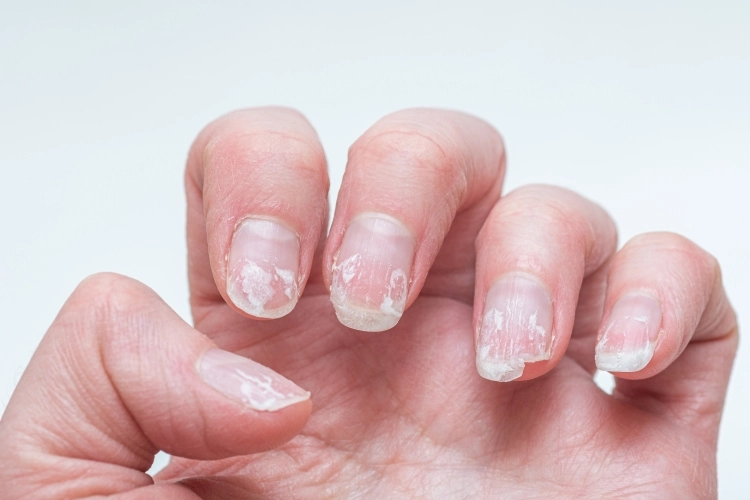
Nails get damaged.
Stress causes nails to grow slower. It can lead to lines, breakage, and peeling of the nail surface. Additionally, during periods of high stress, some people may develop a habit of nail biting. This can cause various nail problems.
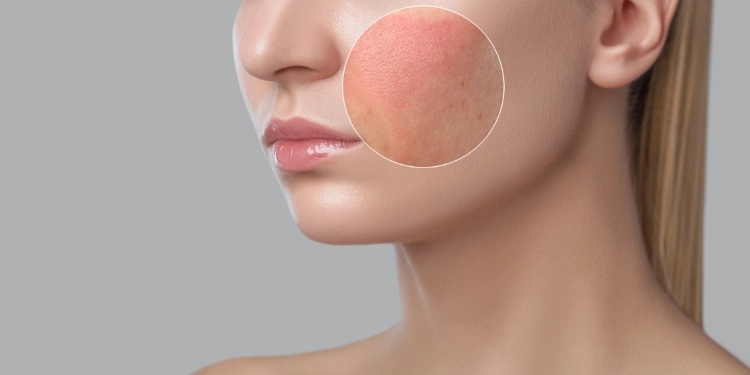
Skin diseases increase.
Stress causes an increase in the release of certain hormones in the human body. This triggers inflammation, which can lead to various skin diseases such as eczema, psoriasis, and urticaria. Many triggering psychological conditions can create a زمینه for the development of chronic skin diseases like shingles and stress-related skin diseases .
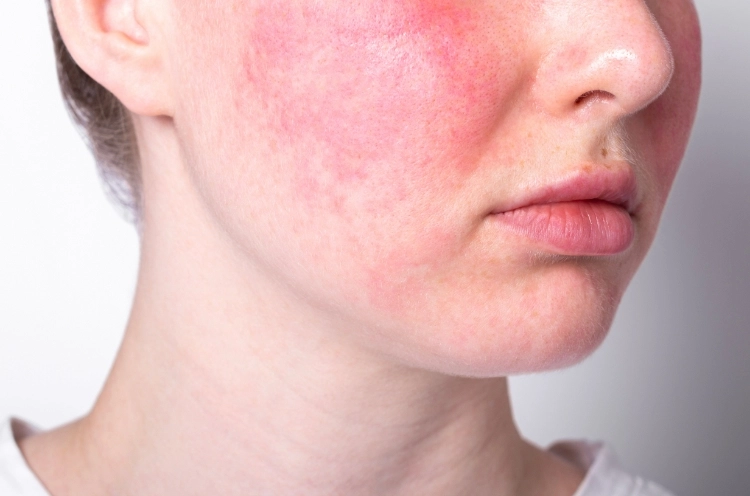
What are stress-related skin diseases?
Stress is one of the most important causes of skin diseases. Skin diseases such as shingles are directly linked to stress. Although stress-related skin diseases encompass a wide range, the main skin diseases are as follows:
- Acne: Acne is one of the most common skin diseases that appear during adolescence. Caused by hormonal changes, acne can also develop due to stress. Acne is a problem that affects many people in society. While it is usually temporary and intermittent, in some cases it can be long-lasting and painful. Acne is one of the skin diseases that causes visual discomfort.
- Eczema: Dermatitis, also known as eczema, manifests as a rash on the skin. Accompanied by itching, eczema can cause skin discoloration and dandruff due to stress . Besides stress, eczema can also be caused by allergies and infections. Because eczema shares characteristics with various other skin diseases, it is necessary to consult a doctor for diagnosis.
Other skin diseases that are mostly caused by stress or can worsen due to stress include:
- Zona
- Psoriasis
- Hives
- Ringworm
- Urticaria
- Vitiligo
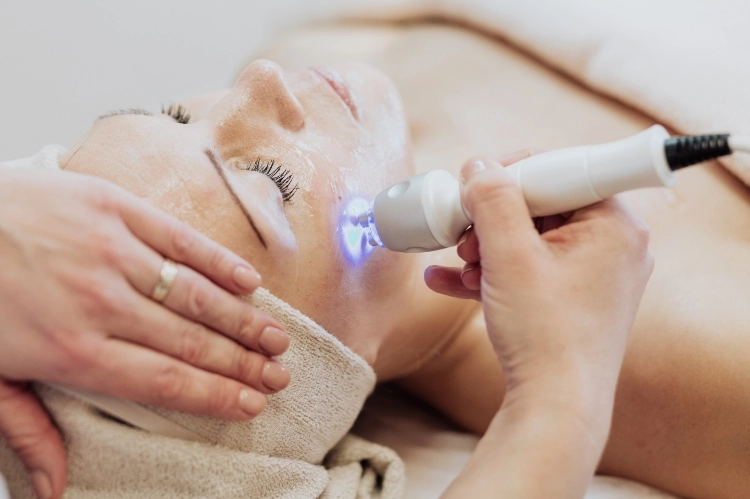
What are the treatment options for stress-related skin diseases?
In addition to various creams and medications, several treatments can be used to treat skin diseases. Some stress-related skin diseases may also be associated with hormonal and metabolic problems. When these diseases are diagnosed correctly, the most appropriate treatment can be followed to eliminate the symptoms. Ozone therapy, laser applications, or the use of various dermocosmetic products can provide effective results in the treatment of skin diseases. In addition, protecting the skin from sunlight and taking precautions against hot and cold weather minimizes the risk of developing skin diseases. In this way, the spread of diseases can be reduced and symptoms can be eliminated. Other methods used in the treatment of stress-related skin diseases are as follows:
- Antihistamine drugs
- Medicated creams and ointments
- Antibiotics
- Vitamin injections
- Prescription drugs
A weakened immune system due to stress can lead to many illnesses. Therefore, maintaining mental health is crucial in preventing skin diseases, as it is in many other health problems. To protect your skin from stress, practicing stress management techniques will benefit you. Eating a healthy diet, getting enough rest, exercising regularly, practicing meditation and breathing exercises, doing yoga, spending more time in nature, reading books, and getting quality sleep will all help combat stress-related illnesses.
You can protect your skin health by taking the above precautions to have healthy skin. You should also pay attention to skin cleansing. You can use Dove Beauty Cream Bar Micellar soap in your skincare routine. Developed for sensitive skin, Dove soap, unlike ordinary soaps, moisturizes and softens the skin. Containing 1/4 moisturizer and gentle cleansers, the soap both cleanses and smooths the skin.