In recent years, soap allergy has become a part of many of our lives. We are now more familiar with soap due to the increased frequency of hand washing. However, the soaps we use to clean our hands can cause rashes, itching, or sensitivity in some people. If you also notice skin irritation after washing your hands, you should take a look at the causes and solutions for soap allergy .
What is soap allergy?
Soap allergy, which belongs to the group of chemical allergies, has become more common in recent years. With frequent handwashing routines, dryness, stinging, and itching sensations in the hands after using soap are among the most common symptoms of soap allergy.
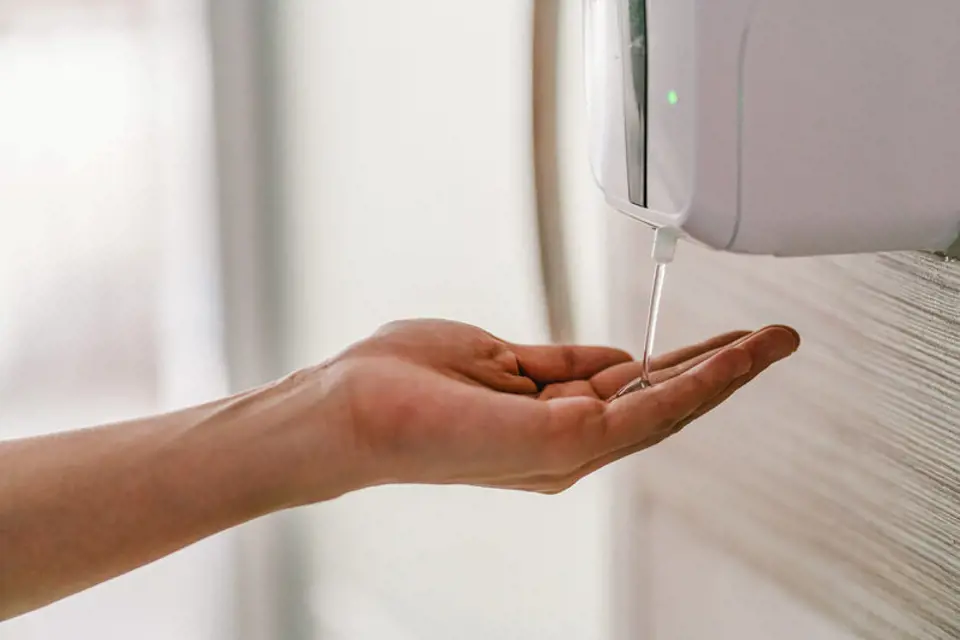
Soap allergies often occur after using liquid soap. Children and those with sensitive skin are particularly at risk due to soaps with unknown ingredients. We recommend that those with soap allergies avoid liquid soaps and only use soaps whose ingredients they know. If soap allergy symptoms become bothersome for allergy-prone skin, it is highly beneficial to consult a dermatologist.
What are the symptoms of soap allergy?

- Skin redness: If you experience intense redness on your hands after washing and rinsing with soap, it could be a sign of a soap allergy. We recommend monitoring your skin if the redness persists after drying your hands.
- Skin swelling : Mild swelling may occur in areas where soap comes into contact with the skin. These swellings, which are often accompanied by redness, can be itchy.
- Skin itching : A persistent itching sensation after washing your hands is a sign of a soap allergy. If you experience itching on your hands, especially after using certain soaps, those soaps may contain allergens.
- Skin flaking: One of the most common symptoms in people with soap allergy is flaking and peeling of the hands. This itchy flaking and peeling can lead to aesthetic problems over time.
- Shortness of breath: People prone to allergies may experience shortness of breath even without direct contact with soap, simply from its scent. Strongly scented soaps, in particular, are not recommended for people with allergies.
- Cough: Soap allergy can also cause a cough. If you experience an uncontrollable dry cough after exposure to soap, you should definitely consult a doctor.
Treatment of soap allergy
Soap allergy diagnosis and treatment must be done by a dermatologist. Treatment for soap allergy involves using soaps and topical creams recommended by your dermatologist.
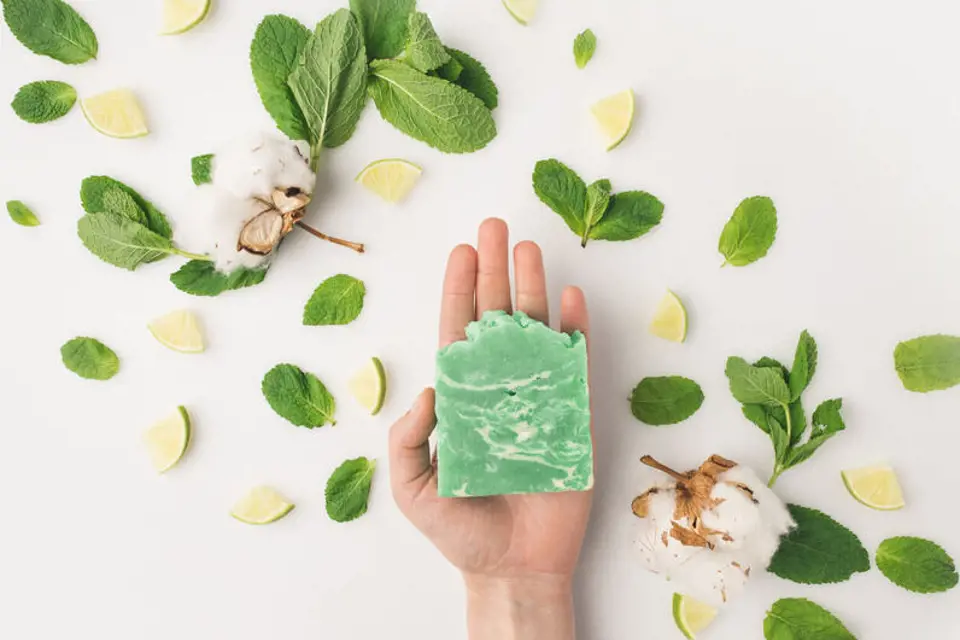
Using natural home remedies for soap allergies may not be beneficial for your sensitive skin. Natural solutions for allergies that dry out your hands and irritate the skin barrier can do more harm than good. Even natural soaps and soaps bought from herbalists can trigger allergies. Therefore, if you have sensitive skin, you should stick to products recommended by a dermatologist and brands you trust.



_550x471.jpg)