What is rosacea, also known as rose disease? What are its symptoms and how can it be treated? We answer these frequently asked questions in this article!
Rosacea, commonly known as " Rose Disease ," is a skin condition characterized by redness, flushing, acne-like bumps, and superficial blood vessel dilation on the cheeks and around the nose. In this article, we answer frequently asked questions such as what causes rosacea, what are the symptoms of rosacea, and how can it be treated!
What is rosacea? What causes it?
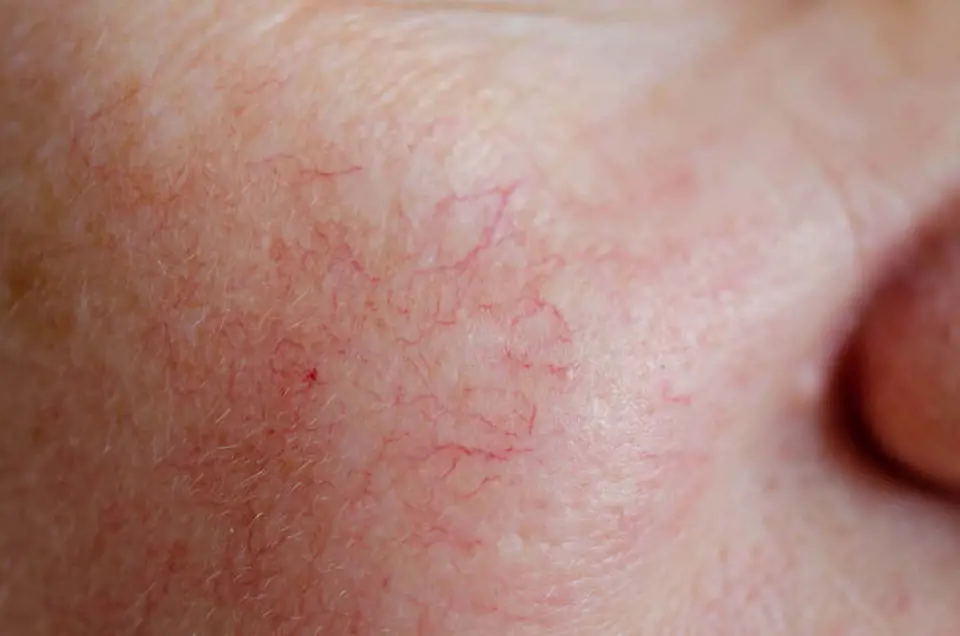
Rosacea , medically known as rose disease , is a skin condition that appears on the face, particularly on the cheeks and around the nose. It manifests as inflamed redness, flushing, acne-like bumps, and dilated blood vessels, causing symptoms such as burning, stinging, tenderness, and swelling. Someone with rosacea typically has red cheeks and a flushed nose.
So, what causes rosacea, or rose disease? Rosacea is more common in women in their 30s. Although it is less common in men, the course of the disease can be more severe. While the exact cause of rosacea, which is more common in people with fair skin and is chronic, is not fully understood, the following reasons are considered:
- Immune or digestive system disorders
- Genetic factors
- UV rays
- Consumption of alcoholic and caffeinated beverages, and very fatty and spicy foods.
- Very hot food and drinks
- Being in very hot or very cold environments
What are the symptoms of rosacea?
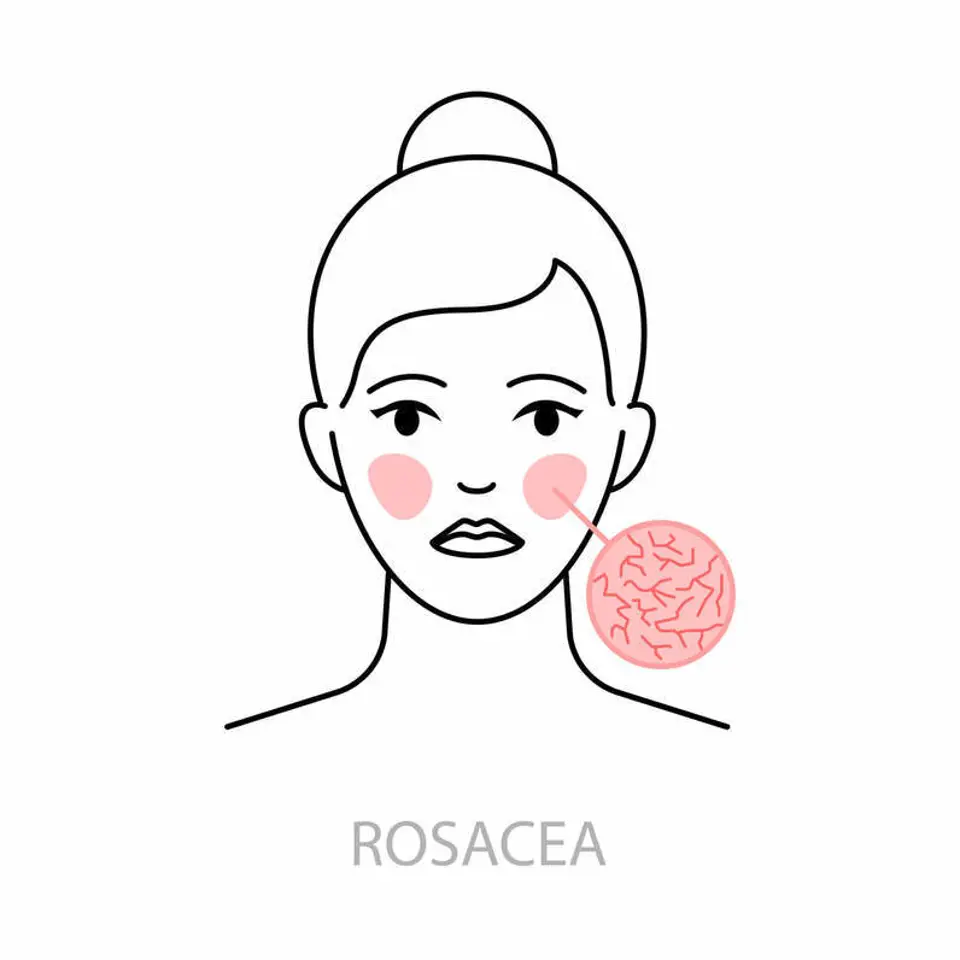
Rosacea typically begins as redness around the cheeks and nose . Over time, it can develop into inflamed, pimple-like bumps and dilated blood vessels. It is often accompanied by hot flashes, burning, stinging, and itching. As rosacea progresses, edema, or phyma, which is the enlargement of the nose or chin, may also occur.
While moisturizers used to reduce redness in the initial stages may seem effective, the redness can become persistent over time, and symptoms such as burning and stinging may begin to appear. It can sometimes take several days for the redness to subside. In later stages, the redness intensifies, and bumps begin to develop. In advanced stages, painful nodules and phimosis (edema) may also occur.
How is rosacea treated?
The question of how to get rid of rosacea is one of the most frequently asked questions. There is no definitive cure for rosacea, but seeing a dermatologist is extremely important. It's not advisable to wait for rosacea to resolve on its own. While avoiding the factors that cause rosacea is important, medications recommended by a dermatologist can be used, and even laser treatment can be applied if necessary. In addition, using skincare products specifically formulated for rosacea can support treatment and provide relief.
Ways to reduce rosacea include:
- Avoid very hot or extremely warm environments.
- Using high-SPF sunscreens (both in summer and winter)
- Reduce alcohol and caffeine consumption.
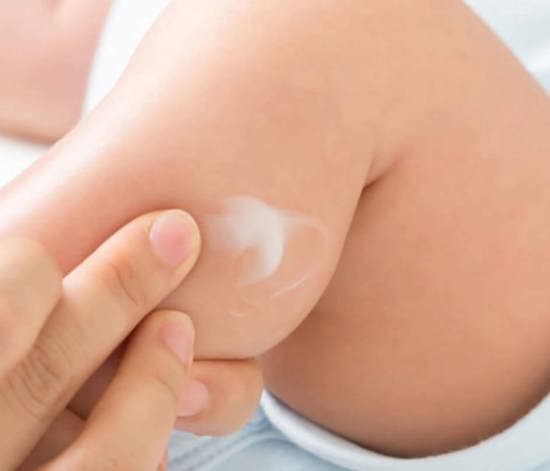
- Moisturize the skin regularly.
- Avoid irritating, harsh soaps and alcohol-containing skin care products.