
PRP, also known as platelet-rich plasma therapy, is performed by processing the patient's own blood and injecting it into the targeted tissues. Platelet cells, which are responsible for blood clotting, enable new cell development and repair tissue damage thanks to the granules they contain. PRP treatment is used not only for aesthetic procedures such as hair loss and skin rejuvenation, but also to help heal muscles, joints, and ligaments. This method, which provides natural and effective healing in the body, stimulates the growth of healthy cells. So, what is PRP and what are the benefits of PRP ? In this article, we have examined the unknown aspects of PRP for you.
What is PRP?
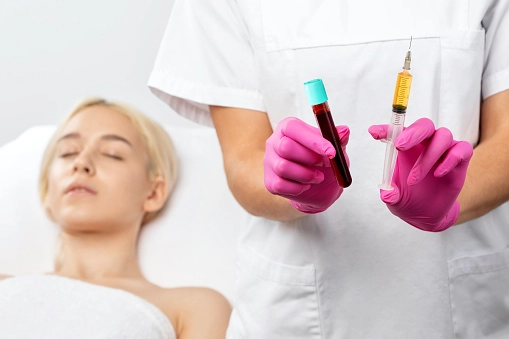
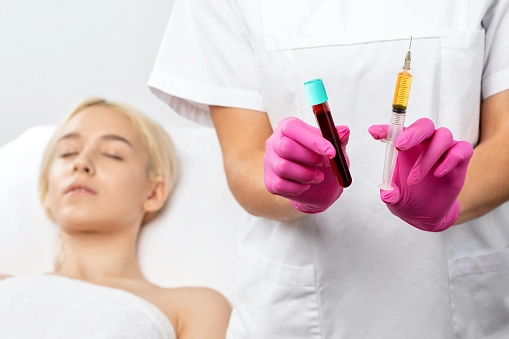
The question "What is PRP?" can be answered by saying, "It stands for Platelet Rich Plasma." PRP treatment involves separating a substance obtained from the patient's own blood from the plasma and injecting it into the body. The aim of PRP treatment is to prevent the slowing of cell regeneration caused by genetic and environmental factors.
How is PRP performed?
After answering the question "What is PRP?", let's briefly explain how the procedure is performed. PRP is obtained from the patient's own blood and injected in small amounts under the skin. This method allows platelets, which are transported in greater quantities than can be carried by blood circulation, to reach the area requiring repair, thus supporting a rapid regeneration process. PRP treatment strengthens the collagen structure in the treated area. As the first step, platelets and plasma are separated from the blood. Then, the PRP is drawn into a syringe, and the relevant area is prepared for injection. Body plasma is renewed every three days. Therefore, healthy eating before the procedure is very important, as it ensures the highest quality plasma. Depending on the nature of the problem, PRP is applied to the desired areas with small injections. For deeper procedures, an anesthetic injection may be administered to the area beforehand. The procedure takes approximately 30-40 minutes. PRP treatment can be applied in an average of 3-4 sessions at intervals of 2 to 4 weeks. If needed, the procedure can also be combined with mesotherapy. After the PRP course ends, the application can be repeated 1-2 times a year.
What are the uses of PRP?
The areas where PRP treatment is most preferred are:
Hair Loss
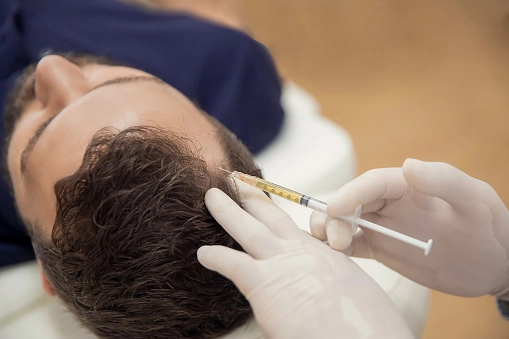
PRP treatment can be applied to prevent hair loss and promote hair growth. Some studies show that PRP is highly effective in treating androgenic alopecia, also known as male pattern baldness, in men. Successful results can be obtained with PRP in genetic hair loss in men. The procedure can also be used in combination with hair mesotherapy.
Skin Rejuvenation
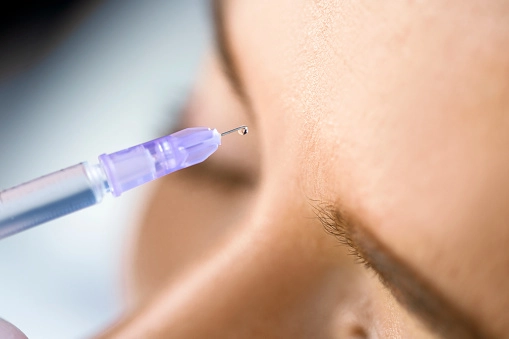
PRP treatment can also be preferred for signs of aging that appear over time due to age and environmental factors. Positive effects such as a reduction in wrinkles and an increase in skin elasticity can be observed with the procedure. PRP treatment can also be used for scars on the skin.
Tendon Injuries
Tendons are tough, thick tissues that connect muscles to bone. Healing from injured tendons, caused by various reasons, is generally quite slow. PRP injections may be preferred for chronic conditions such as tennis elbow, Achilles tendinitis, and inflammation of the patellar tendon in the knee.
Calcification
PRP treatment can also be applied to patients suffering from osteoarthritis. According to research, PRP injections show effective results in the treatment of osteoarthritis.
Postoperative Repair
PRP treatment may also be needed after surgeries performed for various reasons. For example, PRP treatment is preferred to repair torn tendons or ligaments in the body, and efforts are made to eliminate damage in the tissues.
What are the benefits of PRP?
The benefits of PRP treatment are as follows:
- PRP helps to quickly repair the tissue that needs healing.
- The treatment helps the skin recover more quickly after various cosmetic procedures such as laser treatments or peels.
- The treatment helps to repair sun damage that has accumulated on the skin over the years, improve sagging, and restore facial vitality and elasticity.
What are the benefits of PRP for hair?
PRP is a treatment that has benefits for hair. The following benefits can be obtained with PRP hair treatment :
- The treatment helps to repair weakened and thinning hair.
- PRP helps to thicken hair follicles and gives hair a fuller appearance.
- The treatment helps reduce hair loss and supports the process of increasing the vitality of hair follicles.
- PRP helps revive dormant hair follicles.
What are the benefits of PRP for the skin?
The following results can be achieved with PRP skin treatment :
- Skin quality improves, and the skin renewal process is supported.
- The procedure helps to tighten and shrink pores on the face.
- PRP supports the healing process in acne scars and sunspots.
- The treatment helps reduce dark circles under the eyes and facial wrinkles.
- PRP treatment helps revitalize and tighten the skin in the treatment of stretch marks and scars.
PRP facial treatment can be applied in 3-4 sessions at 4-week intervals. If needed, the treatment can be repeated between 6 months and 1 year. The more frequently PRP is applied to the face, the longer the benefits last.
Are there any side effects of PRP treatment?
PRP treatment, due to the injections applied to the skin, can cause some side effects. Possible side effects of the procedure are as follows:
- Infection
- Pain at the injection site
- Bleeding
- Nerve injuries
- Tissue damage
In addition, since PRP is performed using the patient's own blood, it does not carry a risk of allergy. Temporary bruising and redness may occur at the injection sites. When the procedure is performed under hygienic conditions and with the use of appropriate materials, potential risks are minimized.
Who should not receive PRP treatment?
PRP therapy is not suitable for the following people:
- Those who use blood thinners
- Those with a family history of cancer
- Those with infection and inflammation in the application area
- Those with blood disorders
- pregnant women
- breastfeeding mothers
What should be considered before PRP treatment?
Before undergoing PRP treatment, the following points should be considered:
- Vitamin E, vitamin A, garlic, flaxseed, and similar multivitamin tablets, which are known to have blood-thinning effects, should not be used 7 days prior to the procedure.
- It is important for people with any chronic conditions who take regular medication to share this information with their doctor.
- Individuals should avoid sunlight and excessive heat sources before the procedure.
- It is recommended to stop consuming alcohol 3 days before PRP treatment.
- The person needs to fast for 8 hours before the procedure.
What precautions should be taken after PRP treatment?
The following points should be considered after PRP treatment:
- After the PRP procedure, the patient can go home.
- Blood-thinning medication should be avoided for 7 days after the procedure.
- Saunas and steam rooms should be avoided for 48 hours after the procedure.
- To ensure a speedy recovery, it is necessary to avoid smoking and alcohol consumption for 3 days following the procedure.
- It is recommended that patients rest for 1-2 days after PRP treatment.
- The treated area should not be washed for 6 hours after the procedure.
- Makeup should not be applied for the first 24 hours after facial treatment.
- Pain relievers can be taken to prevent pain after the procedure, as advised by a doctor.
- To prevent infection, it is recommended to avoid swimming in the sea or pool for a certain period after the procedure.
- If swelling occurs in the area after the procedure, ice massage can be applied.
We have tried to inform you about "What is PRP and what is it used for?". You too can try PRP treatment by contacting reliable centers for a more vibrant look to your skin. You can also read our articles " What is Dermaroller ?" and " What is Dermapen ?" to get an idea about different skin rejuvenation methods.