
What is the Flexitarian Diet?
Do you want to be vegetarian but can't give up meat? Then this diet is perfect for you. This dietary model suggests that you don't have to completely eliminate meat from your life to become vegetarian. By significantly limiting meat consumption and focusing more on vegetables, it's possible to reap the potential health benefits of a vegetarian diet. As the name suggests, this diet model, which doesn't have strict limits, is quite flexible and is actually more of a lifestyle than a diet.

World Ranking of the Flexitarian Diet
In a study that ranked 39 diets according to their various health benefits, the 'Flexitarian' diet;
- Ranked #2 among the best diets.
- Ranked #2 among the best plant-based diets.
- Ranked #12 among the fastest weight loss diets.
- Ranked #3 among the best diets for healthy eating.
- It ranks #1 among the best weight loss diets.
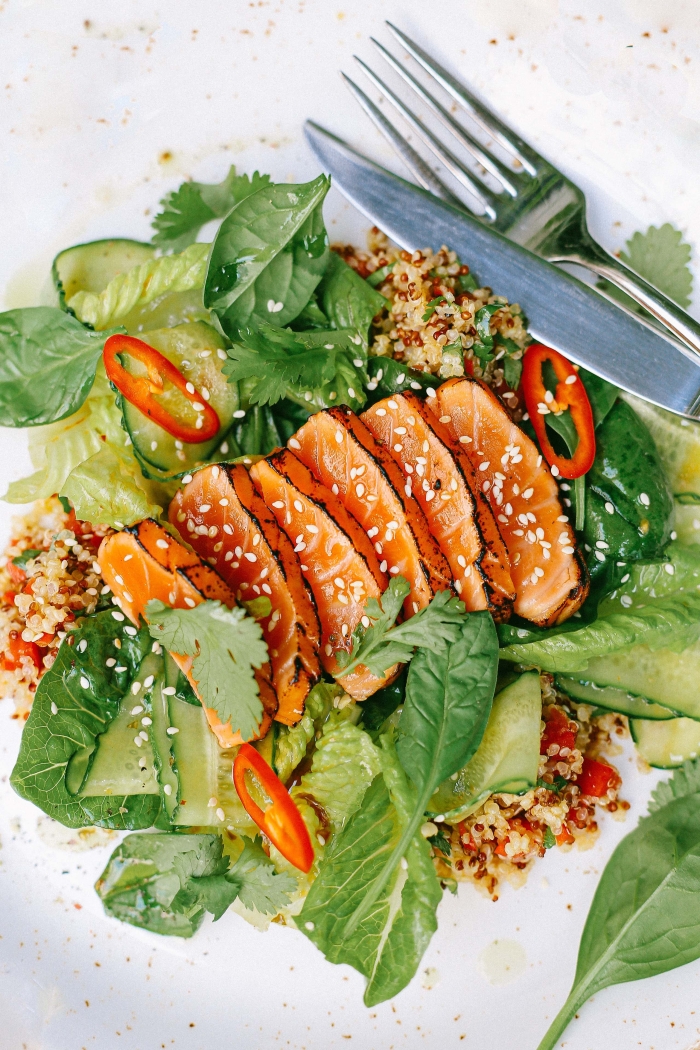
This dietary model primarily involves consuming fruits, vegetables, legumes, and whole grains. While the diet mainly focuses on plant-based protein, occasional animal protein is also recommended. The most minimally processed and natural foods are consumed. And, of course, added sugar is not recommended.
What are the benefits of the Flexitarian Diet?
- It helps with weight loss.
- It supports heart health.
- It helps prevent cancer development.
- It helps you adopt a sustainable diet for our lives and our planet.
How to Follow a Flexitarian Diet?
Day 1
- Breakfast
- Whole-grain toast with avocado and feta cheese
Afternoon
- 1 bowl of legume soup
- 1 bowl of yogurt
- Snack
- 8 almonds or hazelnuts
Evening
- 6 spoonfuls of vegetable dish
- Boiled seasonal vegetables
- 3 tablespoons of yogurt
Day 2
Breakfast
- 1 serving of fruit
- 1 teaspoon of flax seeds
- 2 tablespoons of oats
- 1 bowl of yogurt
- 1 teaspoon of cinnamon
Afternoon
- 3 tablespoons of legumes (chickpeas, lentils, etc.)
- Plenty of leafy green salad
Snack
- 1 serving of fruit
Evening
- 1 bowl of vegetable soup
- 1 bowl of yogurt
- Salad made with seasonal vegetables
Day 3:
Breakfast
- 1 boiled egg
- 1 slice of white cheese
- 2 whole walnuts
- 1 slice of whole wheat bread
Afternoon
- 1 chicken breast
- 3 tablespoons of cooked buckwheat
- 3 tablespoons of yogurt
Snack
- 1 glass of kefir
Evening
- 200 gr grilled salmon
- Baked sweet potatoes
- Salad with plenty of greens
Note: While following this diet, it's beneficial to take precautions against vitamin and mineral deficiencies such as zinc, B12, and iron due to the low intake of animal-derived protein.