
The shedding of white flakes from the scalp is generally the most common sign of scalp eczema. Scalp eczema can sometimes be seborrheic dermatitis, also known as dandruff . This type of eczema most frequently affects the scalp. Typical characteristics of different types of eczema include an itchy, red, and sometimes inflamed scalp.
Scalp eczema can be a persistent condition that lasts for years. It can start without warning and disappear on its own. While the symptoms of scalp eczema can be effectively managed with the right treatment, the condition cannot be completely cured.
So, what causes eczema on the scalp, and what are its symptoms? Read on to discover more.
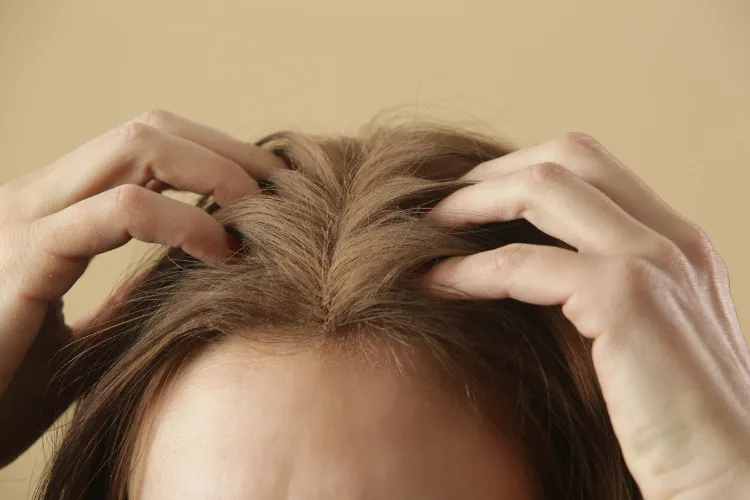
What is scalp eczema, and what causes it?
Irritation on your scalp could be a sign of eczema. Also called dermatitis, eczema is a condition that causes itching, inflammation, or a rash-like appearance of the skin. While it generally affects your skin, there are types that can also affect your scalp. Symptoms vary depending on the type of eczema you have. Some resolve with treatment, while others are chronic and require treatment along with long-term observation.
To determine the cause of your eczema and eliminate any conditions that may be triggering your symptoms, be sure to consult your doctor.
However, scalp eczema can occur for a variety of reasons:
- In seborrheic dermatitis, your immune system may overreact to a yeast growing on your skin.
- In atopic dermatitis, you can develop the condition depending on your family history and environmental factors.
- In contact dermatitis, the symptoms on your skin are caused by a reaction to an allergen or irritant.
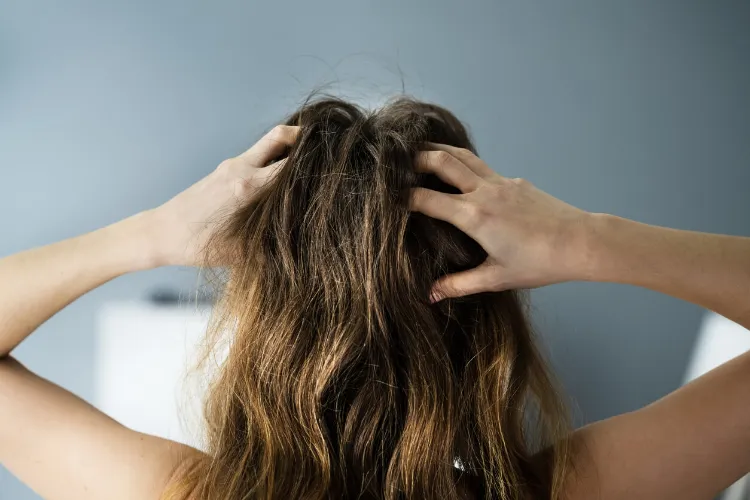
Symptoms of eczema on the scalp
How can we tell if we have eczema on our scalp? In short, the symptoms of eczema on the scalp can be listed as follows:
- Increased oiliness of the scalp
- The onset of dandruff problems
- Scalp that starts to blister
- Inflamed scalp
- An itchy and red scalp.
- Flaking of the scalp
However, the symptoms of eczema on the scalp can vary depending on the type of dermatitis you have. Since some symptoms are common, you may need to consult your doctor to diagnose the dermatitis. Symptoms of eczema on the scalp, according to its type, can be listed as follows:
Symptoms of seborrheic dermatitis:
- Yellow or white scaly patches
- Redness of the scalp
- Inflammation
- Oily appearance
- Burning sensation
Symptoms of atopic dermatitis:
- Dry scalp
- Itching of the scalp
- Redness
- Hair root pain
- Thickened skin
Symptoms of contact dermatitis:
- Redness
- Blisters or sores
- Pain and burning
- Itching
- Inflammation
- Tough and thick skin
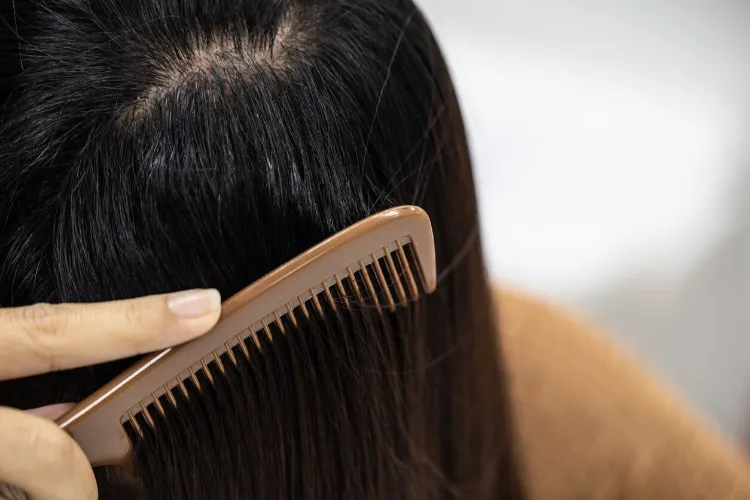
Types of eczema on the scalp
When it comes to scalp eczema, there are different types of dermatitis. So, what are the types of scalp eczema?
Seborrheic dermatitis
Seborrheic dermatitis is a chronic condition affecting oily areas of the skin, including the scalp, face, and back. Along with psoriasis, it is one of the most common scalp conditions. Seborrheic dermatitis requires ongoing care and can flare up at certain times.
Mansion
Cradle cap is a type of seborrheic dermatitis seen in babies. Your baby may develop scaly or oily patches on their scalp during the first few months of life. It usually resolves on its own between 6 months and 1 year, but you should talk to your doctor if you have any concerns.
Atopic dermatitis
Atopic dermatitis is a chronic condition that can appear on the scalp but can also affect other parts of the body. It can be a lifelong condition and is often diagnosed at a young age. It is also the most common type of eczema.
Contact dermatitis
Contact dermatitis occurs when your skin reacts to contact with something environmental. Active redness may need treatment, but it's generally manageable once you identify the trigger causing the symptoms and avoid contact with it.
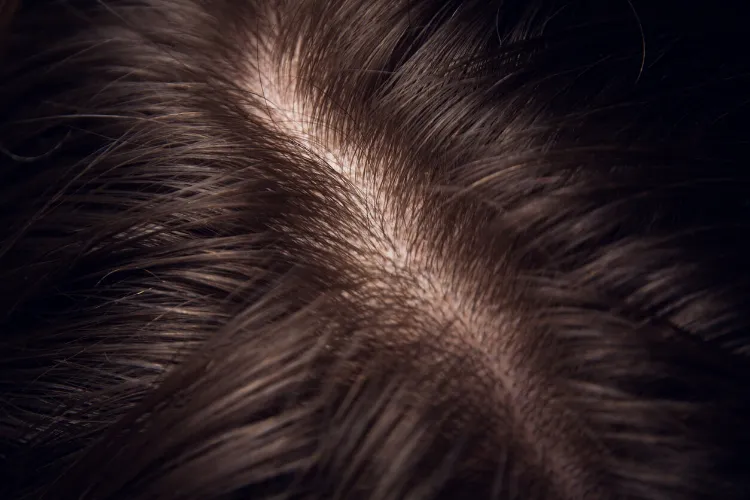
Can scalp eczema go away?
We have explained the types of scalp eczema above. The treatment method will also vary depending on the type of eczema. Some types of eczema may resolve on their own or reappear later. If you are experiencing bothersome symptoms on your scalp, you can consult your doctor to learn about the most suitable treatment option for you. With the right treatment, bothersome symptoms can be eliminated.
Treatment of eczema on the scalp
Types of scalp eczema can be treated at home with different hygiene practices and hair products, or you may need to see a doctor to manage the symptoms.
Remember that seborrheic dermatitis and atopic dermatitis can be lifelong conditions. Contact dermatitis should disappear once you eliminate the factor causing your symptoms from your life.
Lifestyle changes
How you treat your hair and scalp at home can reduce eczema symptoms. To do this:
- Wash your hair regularly.
- Avoid using products that may irritate your skin.
- Use a shampoo that is gentle on your scalp. We recommend Clear shampoos with Bio-Strengthening technology, which cleanses the hair while simultaneously caring for the scalp .
- Avoid washing with excessively hot water.
- Avoid using the hair dryer on a high heat setting.
- Reduce stress and make sure you get enough sleep.
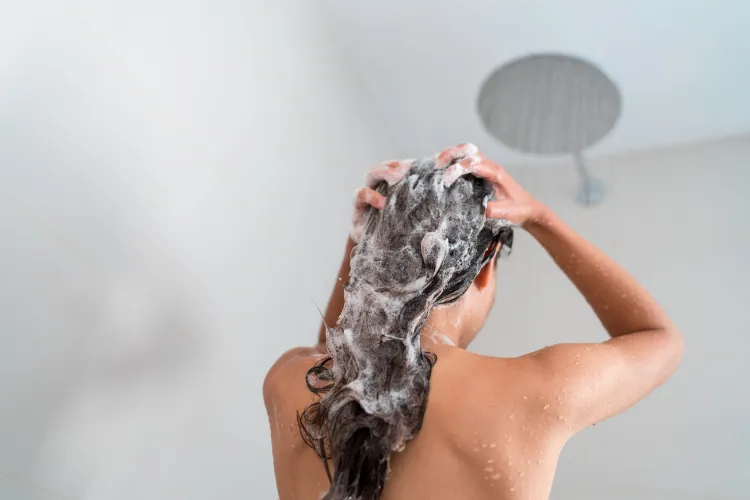
Shampoos and hair care products
There are prescription and over-the-counter hair care products that can help with seborrheic dermatitis. Be especially careful when choosing a shampoo if you have atopic or contact dermatitis, as atopic dermatitis causes sensitive skin. A specific ingredient could cause contact dermatitis or irritate your skin.
Medicines
In some cases, medication may be necessary to relieve the symptoms of eczema on the scalp. For this, your doctor may recommend prescription or over-the-counter oral medications or shampoos.
What is a good remedy for scalp eczema?
As you can see, scalp eczema is an extremely common condition. To prevent eczema symptoms from worsening, you can take precautions by reducing stress and avoiding exposure to suspected irritants. Irritants affect people in different ways, but factors such as hair dye, very hot water, and harsh soaps are generally common.
A gentle shampoo and lukewarm water help keep the scalp clean. It's also a good idea to wash your hair after exercise, as sweat can be a trigger in some cases.