
While regular dental checkups are a necessity in the modern world, humankind has been using toothpaste since 500 BC. In ancient times, the Greeks used a mixture of iron rust and coral powder to clean their teeth. Their toothbrushes were simply tree branches they could chew on. Fortunately, dental care has evolved since then, and there are now many different products and materials to help maintain good dental health.
You rely on your teeth every day to be able to eat, and therefore to survive. Learning more about them and understanding how your habits affect your dental health can help you enjoy a bright smile for many years to come.
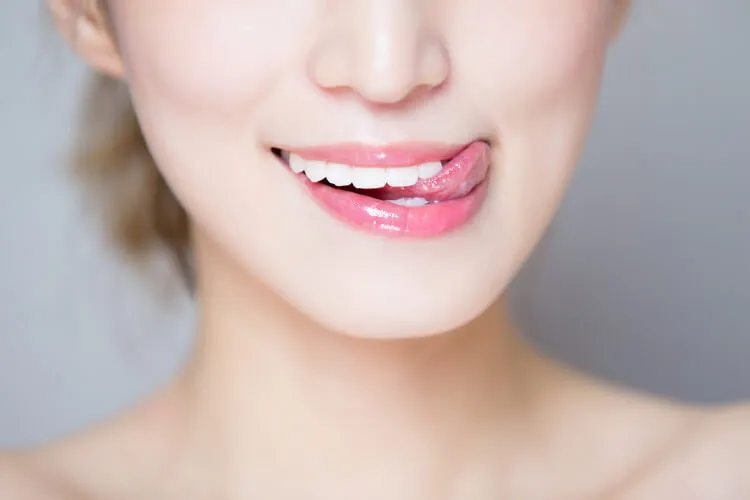
Your teeth are unique to you, just like your fingerprints.
Yes, your teeth are uniquely yours. Even identical twins have different teeth. Want to hear another bonus? Another unique thing about your mouth is your "tongue print."
They can be likened to icebergs because of their unseen parts.
About one-third of each tooth is located beneath the gum line. This means that the invisible part of your teeth is actually larger than the visible part. Therefore, keeping your gums healthy is just as important as taking good care of your teeth. Also, remember that healthy gums should be pink.
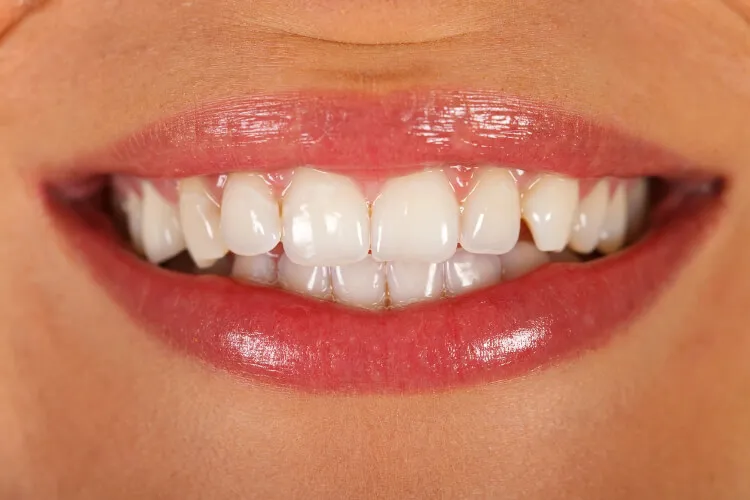
Tooth enamel is the hardest part of your body.
The outermost layer of your teeth is called enamel. Think of it as a hard shell, and its primary purpose is to protect your teeth. Like your bones, tooth enamel is mostly composed of calcium and phosphate. However, thanks to specific proteins and crystals in its structure, it's stronger than your bones. But it's not invincible.
Although tooth enamel is responsible for protecting your teeth, it can break, crack, and not prevent decay. Substances like sugar and acid interact with bacteria in your mouth, attacking the enamel and initiating tooth decay. Therefore, the continuous consumption of such beverages is harmful to dental health.
300 different types of bacteria live in your mouth.
Studies show that millions of bacteria, comprising between 200 and 300 different species, live in your mouth. The most significant bacterium causing dental health problems is "Streptococcus mutans," which converts sugar and other carbohydrates into bacteria that eat away at your teeth.

You produce approximately 10,000 gallons of saliva throughout your lifetime.
Your body produces nearly a liter of saliva every day. Saliva is crucial for easier swallowing and faster digestion. More importantly, it cleans away food particles left on your teeth and, thanks to its calcium and phosphate content, neutralizes acids, helping to prevent tooth decay.
Plaque is the worst enemy of your teeth.
This white, sticky buildup is constantly growing. If you don't brush your teeth regularly and floss to remove food particles, it can lead to tooth decay. Plaque hardens and turns into tartar when teeth aren't cleaned enough. Therefore, brush your teeth at least twice a day, floss, and see your dentist regularly. We recommend Signal White Now White + Protect & Complete Toothpaste . Its whitening formula helps remove tooth stains, resulting in whiter teeth with regular use.