
The benefits of vitamin A for the skin are endless... Even if you haven't heard of it before, you've almost certainly heard of retinoids. In fact, they both mean the same thing; retinoids are the active form of vitamin A. And they have many benefits, such as stimulating collagen production to reduce fine lines and wrinkles, promoting cell renewal, reducing oil production, and preventing inflammation.
What is vitamin A?
Vitamin A is the name of a group of retinoids. However, the term retinoid refers to three different forms of vitamin A: retinol, retinal (or retinaldehyde), and retinoic acid. It's helpful to be familiar with the terminology to avoid confusion when these different names appear in various products. Ultimately, they all have similar benefits in skincare. The names simply describe their potency. Retinoic acid, commonly found in prescription products, is the strongest, retinols are the least potent, and retinoldehyde is of medium strength.
Benefits of Vitamin A for the skin
Vitamin A has long been known in skincare as both a preventative and anti-aging option. Some of the proven benefits of vitamin A for the skin are as follows:
It accelerates skin regeneration.
Vitamin A helps to shed old skin cells and promotes the renewal of newer, healthier cells. This effect helps to even out skin tone and acts as a peeling agent that improves skin texture.
*Beta-carotene is converted into vitamin A, which is vital for healthy skin. You may also want to check out our detailed article about beta-carotene .

It stimulates collagen production.
Vitamin A acts on the epidermis, the outermost layer of the skin, but it also works in the deeper dermis, stimulating collagen production. This is one of the most effective benefits of vitamin A for the skin. Stimulating collagen production not only helps reduce fine lines and wrinkles, but also improves and thickens the skin. By halting the reduction of existing collagen and elastin, it promotes a more youthful skin appearance.
At this point, if you'd like to learn more about dermapen treatment, which is widely preferred for stimulating collagen production, you can check out our related article.
It is effective in treating acne.
Vitamin A is frequently used in prescription acne treatments. This is because it helps balance oil production and, with its exfoliating properties, improves clogged pores. Another benefit of vitamin A for the skin is that it minimizes the appearance of acne-induced discoloration, as it has an anti-inflammatory effect that reduces redness.

How is vitamin A used?
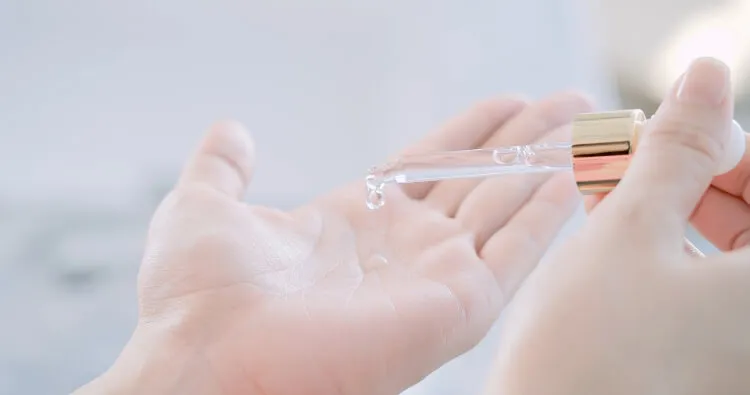
First, start using vitamin A gradually. More doesn't necessarily mean more benefits; on the contrary, it increases the likelihood of irritation. Try adding vitamin A to your skincare routine every three nights for a week or two. Then, increase the frequency to every two nights and finally switch to nighttime use. A small, pea-sized amount is enough for your entire face. Also, apply to clean skin and make sure you use gentle and mild products for the rest of your routine. You need at least 8-12 weeks of regular use to see improvement in your skin.
Who should use vitamin A?
Vitamin A can be used by anyone from their mid-20s onwards, except pregnant or breastfeeding women (especially if you are struggling with acne). Also, depending on the formulation, vitamin A may cause irritation in those with sensitive skin.
Always remember to use vitamin A with sunscreen, as it can make your skin more sensitive to the sun.