
A cancer diagnosis can turn everyday activities into difficult questions. Should you rest when you’re exhausted? Is it safe to exercise before, during, or after treatment?
For decades, rest was often viewed as the best way to cope with the side effects of cancer treatment. Today, a growing body of research suggests simple, gentle movement may be one of the most powerful tools patients have for managing those symptoms.
Researchers at University of Rochester Medicine Wilmot Cancer Institute are studying how exercise impacts common side effects of cancer and treatment. Their work is uncovering new ways to help patients improve quality of life during and after treatment.
Here’s what our researchers have discovered about exercise and cancer care—and what we’re still investigating.
1. Exercise May Help Reduce “Chemo Brain”
Many cancer survivors experience “chemo brain,” a sense of mental fogginess that includes memory problems and difficulty concentrating during or after treatment.

Wilmot Cancer Institute scientists found that exercise can help improve cognitive function during cancer treatment. Early research shows that physical activity supports brain health in several ways:
2. Yoga May Help Anxiety, Sleep, Mood, and Fatigue
Fatigue, anxiety, poor sleep, and mood changes affect many cancer survivors for years—often simultaneously. This combination of symptoms can significantly affect day-to-day and long-term quality of life.
Wilmot Cancer Institute-led research found that yoga may help improve many of these symptoms. Cancer survivors who participated in yoga indicated improvements in:
The findings suggest that mind-body approaches may play a critical role in caring for cancer patients and survivors.
3. Exercise Before Treatment May Also Matter
Could physical fitness protect cancer patients from some treatment side effects?
The research says: yes! In a study of women with breast cancer, researchers found that those who exercised moderately or vigorously before chemotherapy (getting 150+ minutes per week) experienced less cognitive impairment during and after treatment.
These findings suggest that maintaining physical activity before treatment begins could help patients better prepare for the challenges of chemotherapy.
4. Exercise Is One of the Most Effective Treatments for Cancer-Related Fatigue
Fatigue during cancer treatment is one of the most common and distressing side effects, often lasting well beyond periods of treatment.
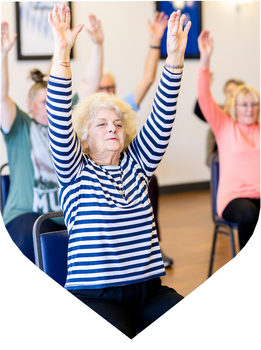
While movement may seem like the last thing you want to do when you're exhausted, research suggests it can actually help boost energy levels and ease symptoms over time.
As evidence grows, exercise is increasingly recommended as an approach to managing cancer-related fatigue. National guidelines now recommend physical activity for cancer patients, along with interventions like mindfulness and talk therapy.
Researchers Are Still Studying How Exercise Changes the Body During Cancer Treatment
Every day, our understanding of how to help cancer patients grows—but there are still many questions to answer.
Scientists at Wilmot Cancer Institute's Cancer Prevention and Control research program continue to investigate how physical activity affects symptom management, survivorship, and quality of life for cancer patients and survivors. Their work aims to better understand not only what helps but how it helps—and which approaches could provide the greatest benefit.
This important research is shaping the future of exercise oncology, an emerging field focused on physical activity as a part of comprehensive cancer care. URochester Medicine researchers are proud to be at the forefront.