
First performed in 1952 by Dr. Michel Pastor, mesotherapy is a preferred treatment for lipolysis, cosmetic rejuvenation, and skin tightening. Based on the principle of injecting specially prepared medications under the skin with a needle, it is a procedure performed for both aesthetic and therapeutic purposes. Used in various areas such as hair, skin, and cellulite treatment, mesotherapy is a non-surgical treatment method. So, what is mesotherapy, and how is hair, face, and cellulite mesotherapy applied? Let's take a closer look at all the details you might be wondering about mesotherapy.
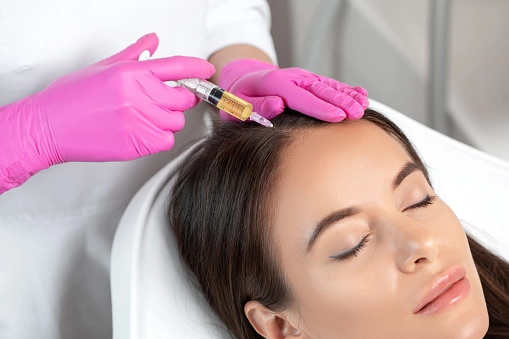
What is Mesotherapy?
Mesotherapy, a widely practiced procedure worldwide, is a localized treatment method that involves injecting low doses of medication under the skin using needles. The needles used during the procedure range in diameter from 4 to 13 mm. The benefits of mesotherapy are evident in many different areas. Mesotherapy is preferred for anti-aging, localized weight loss, stretch mark and cellulite treatment, skin rejuvenation, hair treatment, sports injuries, and acute and chronic pain. The application works by stimulating collagen and elastin under the skin. Blood circulation and immune response in the treated area are also regulated. In mesotherapy, the substances to be injected into the skin are selected under the supervision of a doctor, according to the individual's wishes and needs.
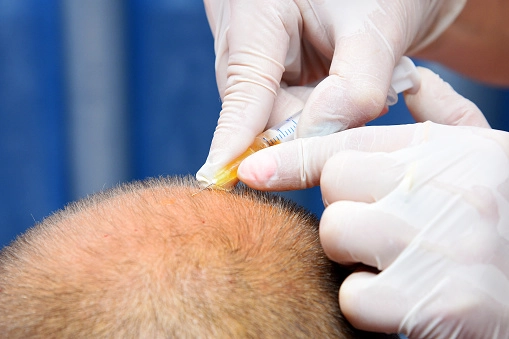
Hair Mesotherapy
Hair mesotherapy is a cosmetic treatment performed by specialists. The procedure involves injecting vitamins, minerals, and various nutrients into the scalp. The injection content can be determined according to the patient's problem. The procedure is applied in sessions. Ingredients used include B vitamins, zinc, hyaluronic acid, copper, and amino acids. The procedure is completed by injecting the liquid substance into various areas of the scalp using mesotherapy guns or syringes. The application is typically performed in 6-8 sessions. Achieving the desired results may take 12-18 months. PRP mesotherapy , on the other hand, involves injecting vitamins needed by the scalp and hair follicles into the body. During the application, the patient's own blood is used in the mixture. In addition to mesotherapy, you can also learn about the Hair PRP method applied against hair loss , or read the article "Care Tips for Damaged Hair " to add new features to your hair routine .
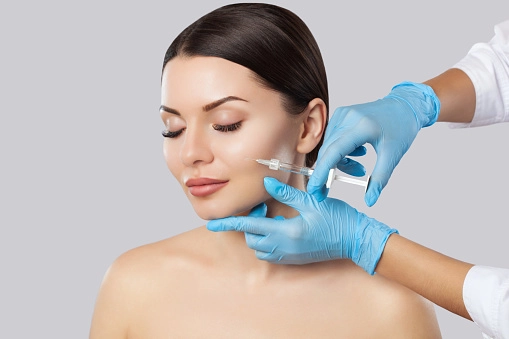
Facial Mesotherapy (Mesolifting)
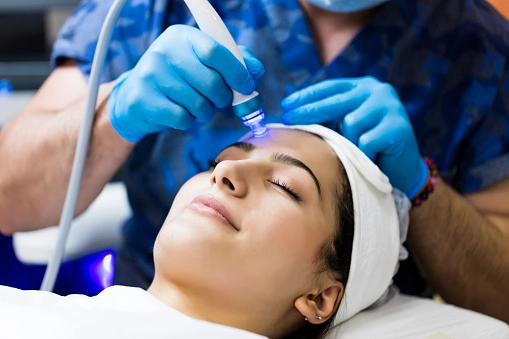
Facial mesotherapy, also known as mesolifting, is a natural treatment method applied against skin wrinkles and sagging. Called an effective anti-aging treatment, this method stimulates collagen synthesis in the skin, contributing to a younger, firmer, and brighter appearance. The procedure helps increase skin elasticity and achieve a more radiant look. In facial mesotherapy, hyaluronic acid, vitamins, minerals, and various amino acids are applied to the skin through tiny needles. The injection of these beneficial substances initiates a moisturizing and regeneration process in the skin. The procedure can be applied in an average of 4-6 sessions at intervals of 1-4 weeks. The procedure can be repeated as needed. In addition, the recently developed under-eye mesotherapy procedure is a rejuvenation injection consisting of hyaluronic acid, antioxidants, amino acids, and various vitamins. These different substances create a synergistic effect and help to eliminate wrinkles, dark circles, sagging, and uneven skin tone around the eyes.
Needle-free Mesotherapy
Needle-free mesotherapy , preferred as an alternative to needle mesotherapy , is a painless treatment method. One of the key features of this method, also known as mesopeeling, is the effective mixture used. The treatment, applied to the skin with a combination of TCA and H2O2 in adjusted ratios, supports skin strengthening and renewal without needles. Following the application, a lifting effect and collagen production continue, and biological stimulation occurs in the cells. The procedure is used for problems such as blemishes, sagging, looseness, and scars on the face, neck, chest, and décolleté areas. Mesopeeling contributes to more effective results when used in conjunction with filler treatments. In addition, the application can be used with threads and rollers in laser and radiofrequency treatments.
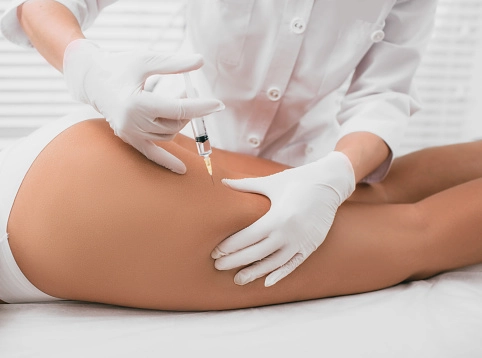
Cellulite Mesotherapy
Cellulite, a circulatory disorder affecting both men and women of all ages, arises from lymphatic drainage problems influenced by hormonal factors. Cellulite mesotherapy involves injecting substances into the skin that help improve blood flow, lymphatic circulation, and hardened connective tissue in the affected area. Positive changes are observed in the cellulite-affected region after the procedure. The treatment is performed once a week at intervals of 4-10 weeks. Effective results are achieved when supported by diet and exercise.
In what situations is mesotherapy applied?
Skin tissue renews itself by producing the vitamins, minerals, and amino acids it needs up to a certain age. However, after a certain age, the body can no longer produce these substances, and signs of aging appear on the skin. As skin ages, its elasticity and radiance decrease, and pigment cells begin to discolor and lose water. To break this cycle and help the skin maintain a youthful appearance, mesotherapy treatments are used. Mesotherapy can be applied in the following cases:
- Cellulite treatment
- Scar revision
- Facial rejuvenation
- Localized fat accumulation
- Hair loss
- Skin cracks
- Dark circles and bags under the eyes
- Sports injuries
- Allergy
- Acute and chronic pain
In what situations is mesotherapy not applied or is it contraindicated?
Mesotherapy is not recommended in the following cases:
- Pregnant women
- breastfeeding mothers
- Those with a history of stroke
- Cancer patients
- Those with blood clotting problems
- Those with diabetes
- Those who have urticaria
- Those with heart disease requiring medication
What are the characteristics of mesotherapy?
Mesotherapy is characterized by the application of small amounts of medication directly to the desired area using needles. This prevents a systemic reaction and aims to maximize the benefits of the treatment.
What are the side effects of mesotherapy?
Temporary redness and bruising may occur at the injection site after mesotherapy. However, since the substances used do not enter the systemic circulation, these effects disappear within 1-2 days. Itching, swelling, skin sensitivity, and mild pain are other known side effects of the procedure.
However, you should consult a doctor if any of the following occur after the procedure:
- Vomiting
- Nausea
- Rash
- Edema
- Infection
- Excessive skin reactions
It is also recommended to avoid protein-rich foods, alcohol, caffeine, and smoking before all mesotherapy procedures. Blood-thinning medications should be used under the supervision of a doctor during this period.
When will a response to mesotherapy treatment be seen?
The effectiveness of mesotherapy treatment varies depending on the individual's skin type, age, and the severity of the problem. Generally, noticeable effects are seen after the second or third session. Mesotherapy is more successful and effective when supported by regular exercise, healthy eating, massage therapies, and adequate sleep.
What precautions should be taken after mesotherapy?
Mesotherapy, being a procedure performed with needles, causes some skin damage during application. Therefore, the skin should not be overly strained and should be rested as much as possible for the first two days after the procedure. The treated area should not be washed or bathed within the first 15 hours after the application. It is also recommended to avoid heavy makeup, swimming in pools or the sea. Sun exposure and tanning beds should also be avoided. If the procedure was performed on the body, tight clothing should be avoided.
If you are experiencing various skin problems, you can benefit from mesotherapy and contribute to your skin's regeneration process.