
If you're looking for ways to promote smooth skin, vitamins are crucial in helping maintain skin appearance and health. Of course, the best source of vitamins is nutrient-rich foods; however, various vitamin supplements and vitamin-containing skincare products can also be beneficial.
Vitamins can help skin look its best, and can also be used to treat various skin problems such as acne, psoriasis, and the aging effects of sun damage.
This article will provide detailed information about the benefits of vitamin E for the skin.
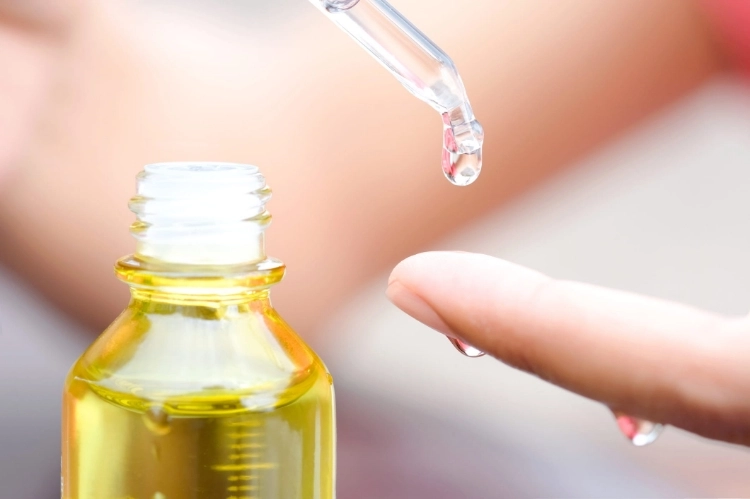
What is vitamin E?
Vitamin E can be described as an essential, fat-soluble nutrient with anti-inflammatory properties. This important vitamin helps support the immune system, cell function, and skin health. It is also a beneficial antioxidant that is effective in combating the effects of free radicals produced by the metabolism of food and toxins in the environment.
Vitamin E can help reduce UV damage to the skin. It is also thought to be effective in reducing symptoms of atopic dermatitis and fatty liver disease, and in slowing the progression of mild to moderate Alzheimer's disease. This vitamin is also used to dilate blood vessels and reduce the risk of blood clots. UV light and sun exposure reduce vitamin E levels in the skin. Vitamin E levels also decrease with age. Fortunately, it is possible to obtain this vitamin through foods, supplements, and topically applied products.
What are the benefits of vitamin E for the skin?
We've explained that vitamin E is actually an important component for overall health. So, what does vitamin E do for the skin? Here are some of the benefits of vitamin E for the face:
Hyperpigmentation
Dark spots on your skin are caused by the production of too much pigment (melanin), triggered by hormones or other factors. This condition, called melasma, is thought to be treatable with topical vitamin application. (A study published in the National Library of Medicine - National Institutes of Health supports this view.) However, experts state that the most effective way to treat hyperpigmentation using vitamin E is to combine it with vitamin C.
Preventing aging and wrinkles on the face.
Vitamin E is extremely rich in antioxidants and affects blood circulation. Therefore, people may observe a difference in the firmness and texture of their skin after topical use of vitamin E oil (according to a 2013 literature review published in the National Library of Medicine - National Institutes of Health ).
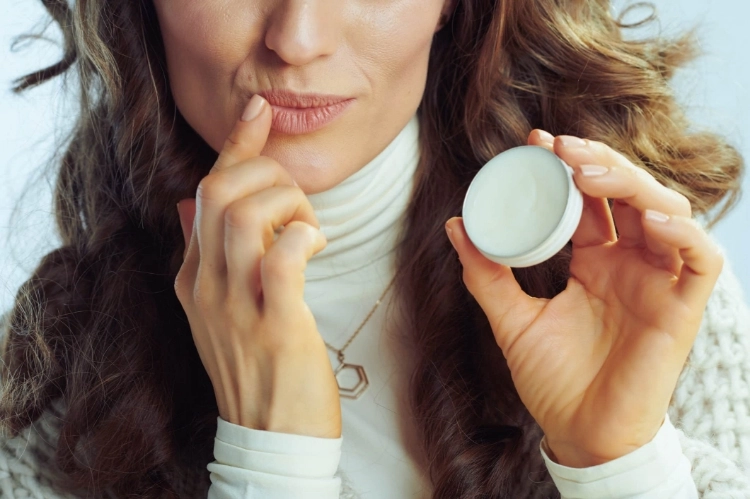
Smooth and soft lips
Topical vitamin E oil can be used for smooth, soft lips. Since vitamin E supports cell renewal, using it on dry lips helps new cells emerge to the surface more quickly. The thick, oily consistency of vitamin E oil can also prevent further irritation.
Can vitamin E be applied to the face?
Vitamin E is commonly found in cream form and as an oil for topical use on the skin. It can be added as an ingredient to many cosmetic products such as anti-aging creams, eye serums, sunscreens, and various makeup products.
When vitamin E is applied to the face, it is easily absorbed by the skin. Topical use through creams or other products can increase the amount of vitamin E stored in the sebaceous glands.
Although vitamin E oil has a very thick consistency and is difficult to spread on the skin, it is an excellent moisturizer for dry, patchy skin areas. However, products containing vitamin E as an ingredient may be easier to apply to the skin. You can also benefit from topical application of vitamin E oil on problem areas that are very dry, such as cuticles and elbows. However, if you are typically using pure vitamin E oil, it is recommended to mix it with a carrier oil such as jojoba oil, almond oil, or coconut oil. (You can use 10 drops of carrier oil for every 2 drops of vitamin E oil.)
Should vitamin E supplements be used?
We mentioned that another way to get vitamin E into your body is through supplements. You can use vitamin E supplements if you need them. Actually, you can consume foods rich in this beneficial vitamin as much as you like. Even if you consume plenty of vitamin E-rich foods, it won't harm your health. However, when it comes to vitamin E supplements, high doses can prevent blood clotting, leading to serious bleeding. It can also result in bleeding in the brain. A clinical study reported by the National Library of Medicine - National Institutes of Health found that vitamin E supplements significantly increased the risk of developing prostate cancer in healthy men.
In conclusion, just like with other supplements, you should always consult your doctor before taking vitamin E supplements.
Does vitamin E oil cause facial hair growth?
Vitamin E is thought to have benefits not only for the skin but also for hair growth. This property sometimes leads to the belief that topical application of vitamin E oil may cause facial hair growth. However, there is no scientific data to prove this yet. Nevertheless, since every ingredient may not have the same effect on every skin type, it is best to consult your dermatologist before trying vitamin E oil for skin problems.
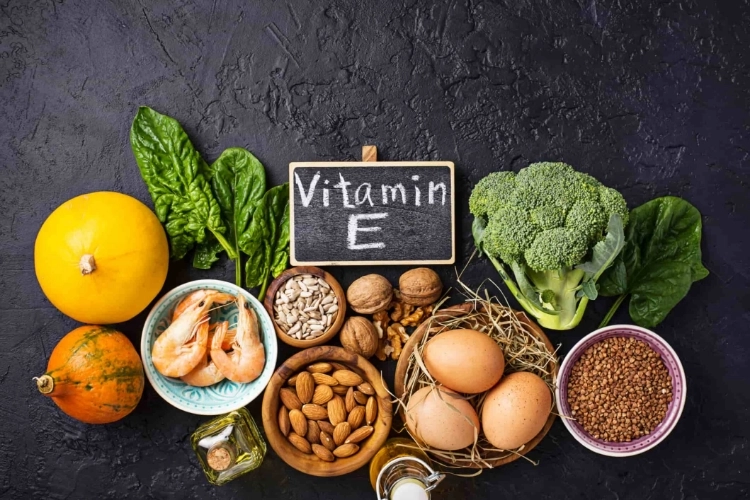
Foods containing vitamin E
Vitamin E can be found in many foods, including the following:
- Sunflower seeds
- Almond
- Peanuts
- Avocado
- Spinach
- Beet leaf
Naturally occurring vitamin E in foods is usually listed as “d-alpha-tocopherol” on food labels. Vitamin E can also be produced synthetically. The synthetic form of vitamin E is usually called “dl-alpha-tocopherol”.
In summary, vitamin E is readily found in many healthy foods. Therefore, most people do not need supplements to reap the benefits of vitamin E. Furthermore, taking excessive doses of vitamin E supplements can be extremely dangerous.
Vitamin E is a powerful antioxidant that can be effective in reducing UV damage to the skin. Topically applied vitamin E can help protect your skin from damage caused by free radicals.
You may also want to check out our related articles for other vitamins and minerals that are beneficial for the skin: